
Learn how electric vehicles in cold weather affects range, charging speed, and battery efficiency. Discover real-world data, expert tips, and the latest EV technology designed for winter performance.
The Cold Reality of EVs in Winter
When winter arrives, most drivers notice their EV range dropping faster than usual — and it’s not your imagination. Electric vehicles (EVs) are highly efficient machines, but cold weather brings unique challenges for their batteries and charging systems.
Cold temperatures might temporarily affect performance, causing slower charging times and a shorter driving range. The good news is that, thanks to advanced battery management systems, heat pumps, and preconditioning technology, modern EVs are significantly more ready than their early counterparts.
This article explains how electric vehicles in cold weather affects, why it happens, and how to maximize your EV’s winter performance whether you drive in Norway, Canada, or the northern parts of India.
Table of Contents
Why Electric Vehicles Behave Differently in Cold Weather
Unlike petrol or diesel cars, EVs don’t produce heat as a byproduct of combustion. They depend completely on electricity stored in lithium-ion batteries, which are sensitive to temperature changes.
When it’s cold:
- The electrochemical reactions inside the battery slow down.
- The internal resistance increases, making it harder for energy to flow.
- The battery management system (BMS) limits power to protect cells.
This results in less available energy and longer charging times. At cold temperatures, even regenerative braking, which recharges your battery when you slow down, loses effectiveness.
The Science Behind Range Loss in Electric Vehicles in cold weather
Research and real-world data show that Electric Vehicles can lose 20–40% of their driving range during winter. The main reason? Batteries perform best between 20°C and 30°C.
Here’s how temperature affects your EV’s performance:
| Temperature (°C) | Average Range Drop | Charging Speed Impact |
|---|---|---|
| 25°C (Ideal) | 0% | Normal |
| 0°C | -20% | +25% slow |
| -10°C | -35% | +40% slow |
Example:
- Tesla Y Model drivers in Norway report up to a 30% range reduction during sub-zero winters.
- Nissan Leaf users see 20–25% loss due to passive cooling.
- Tata Nexon EV owners in Himachal Pradesh or Kashmir notice a modest 10–15% drop, thanks to mild winters.
EV Charging in Cold Weather: Why It Slows Down
Charging an EV in the cold can take significantly longer, especially with DC fast chargers.
Here’s why:
- Cold batteries resist current flow.
- The BMS automatically limits power input to prevent damage.
- The battery needs to warm up before it can charge efficiently.
Tips to charge faster in winter:
- Precondition your battery before plugging in. Most EVs let you do this via an app.
- Charge after driving — the battery will still be warm.
- Avoid charging at 0% or very low charge overnight, as extreme cold can affect cell voltage.
Real-World Examples of EVs in Winter
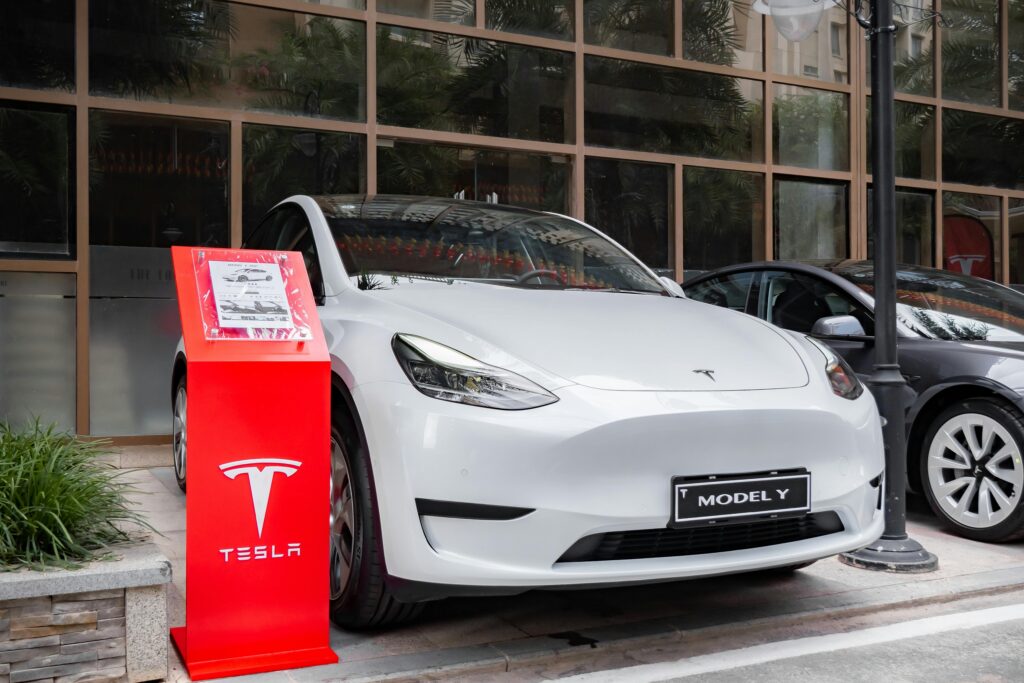
Here’s how popular EVs perform in cold climates:
| Model | Region Tested | Range Drop (%) | Special Features |
|---|---|---|---|
| Tesla Y Model | Norway | 30% | Battery preconditioning + heat pump |
| Hyundai Ioniq 5 | Canada | 25% | Smart thermal management system |
| BMW iX | Sweden | 20% | Dual heat pumps + predictive heating |
| Tata Nexon EV | North India | 10–15% | Basic preconditioning & eco mode |
Clearly, EVs with active thermal management and heat pumps perform better. By circulating heat, these systems minimize efficiency loss by maintaining batteries within their optimal temperature range.
How to Maintain Your EV’s Performance in Cold Weather
You can’t control the temperature — but you can control how your EV reacts to it.
Here are practical winter tips:
- Preheat your EV before driving – Use your app to warm the cabin and battery while still plugged in.
- Use heated seats and steering wheel instead of full cabin heating.
- Keep your EV indoors or covered when parked overnight.
- Monitor tire pressure – PSI is lowered by cold air, which impacts range..
- Drive smoothly – Avoid rapid acceleration or braking.
- Plan charging stops on long winter trips — stations may charge slower than expected.
How Automakers Are Solving the Cold-Weather Problem
Manufacturers are rapidly improving EVs for year-round use.
Technological improvements include:
- Battery Thermal Management Systems (BTMS): Keep batteries warm using coolant loops or heaters.
- Heat Pumps: Efficiently recycle heat from the battery or motor to warm the cabin.
- Predictive Software Updates: Tesla and Hyundai use AI to estimate range and pre-warm batteries before fast charging.
- New Battery Chemistries: Lithium Iron Phosphate (LFP) and solid-state batteries perform better in low temps.
Future EVs will not only survive but even flourish in the cold thanks to these advances.
Lessons from Cold-Climate Countries
Countries like Norway, Sweden, Finland, and Canada prove that EVs can handle extreme cold if properly managed.
- Norway has the highest EV adoption rate in the world, despite sub-zero winters.
- Drivers use heated chargers, battery preconditioning, and winter tires.
- Public charging stations have temperature monitoring and insulated bays.
In India, while winters are milder, lessons from these European countries can help automakers prepare for colder regions like Himachal Pradesh, Leh-Ladakh, and Sikkim.
Common Myths About Electric Vehicles in Cold Weather
Let’s clarify some misunderstandings:
| Myth | Reality |
|---|---|
| EVs don’t work in snow | They perform well, often with better torque control than petrol cars. |
| Cold weather damages batteries | Batteries recover fully once warmed up. |
| Charging is unsafe in winter | When using approved chargers and cables, it is safe. |
| Range loss is permanent | It’s temporary and returns to normal in warmer temperatures. |
Conclusion: Electric Vehicles Are Winter-Ready
Electric Vehicles in cold weather is a challenge, but it doesn’t defeat them. With smart technology and mindful driving, EVs remain dependable year-round.
As automakers push innovations in battery chemistry, thermal management, and software optimization, range and charging efficiency will also continue to improve — even in the harshest winters.
EVs are not just built for the future — they’re built for all seasons.
FAQs for Electric Vehicles in Cold Weather
Do electric vehicles lose range in cold weather?
Yes, most electric vehicles experience a 20–40% range reduction in cold weather due to reduced battery efficiency. However, preconditioning and heat pump systems can minimize the loss.
Can I charge my EV in freezing temperatures?
Yes, you can safely charge your EV in freezing conditions, though it may take longer. Preheating the battery before plugging in helps improve charging speed and safety.
Which EVs perform best in winter?
EVs with advanced thermal management systems and heat pumps perform best in cold weather — examples include Tesla Model Y, Hyundai Ioniq 5, and BMW iX.
How can I improve my EV’s performance in cold weather?
Precondition your EV before driving, keep it parked indoors, use heated seats instead of cabin heating, and plan charging sessions when the battery is warm.


