
Discover how the disposal of electric car batteries is managed worldwide. Learn about recycling processes, environmental impact, and innovations shaping sustainable EV battery waste management.
The Green Dilemma Behind EV Batteries
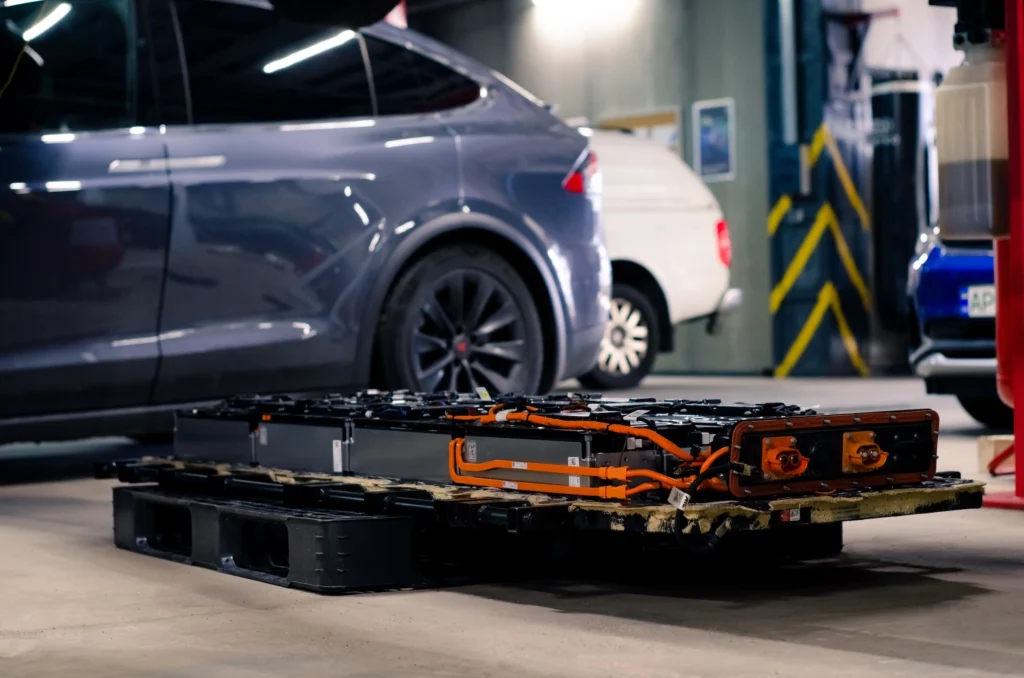
Electric cars have become the face of environmentally friendly transportation — reducing tailpipe emissions and our dependence on fossil fuels. But as millions of these vehicles hit the roads, a new question rises as to: What happens when their powerful lithium-ion batteries reach the end of their life?
The disposal of electric car batteries is now one of the most critical challenges in the EV ecosystem. While EVs are clean on the road, their batteries can become toxic waste if not handled properly. Luckily, the EV sector is rapidly developing thanks to advancements in recycling, reuse, and environmentally friendly disposal that have the potential to make the Electric Vehicles revolution genuinely green.
Table of Contents
What’s Inside an EV Battery?
To understand how disposal of electric car batteries is done, we first need to know what they’re made of.
Most EVs use lithium-ion batteries, which consist of:

- Lithium (for energy storage)
- Nickel and Cobalt (for stability and high energy density)
- Graphite and Manganese (for conductivity and strength)
- Copper and Aluminum (for wiring and casing)
These materials are valuable, but if they leak into the environment, they could be dangerous. Because of this, recycling and safe disposal of electric vehicle batteries are crucial to sustainability.
Why Proper Disposal of Electric Car Batteries Matters
Improper disposal of EV batteries can create serious environmental risks:
- Toxic Chemical Leakage: Metals like cobalt and nickel can contaminate soil and groundwater.
- Fire and Explosion Hazards: Even a partially charged cell can ignite under heat or pressure.
- Loss of Rare Resources: Throwing away batteries wastes recoverable metals that are expensive to mine.
The International Energy Agency (IEA) projects that by 2030, more than 12 million tons of spent EV batteries will be ready for disposal. To prevent one environmental issue from being replaced by another, it is essential to manage them appropriately.
The Life Cycle of an Electric Vehicle Battery
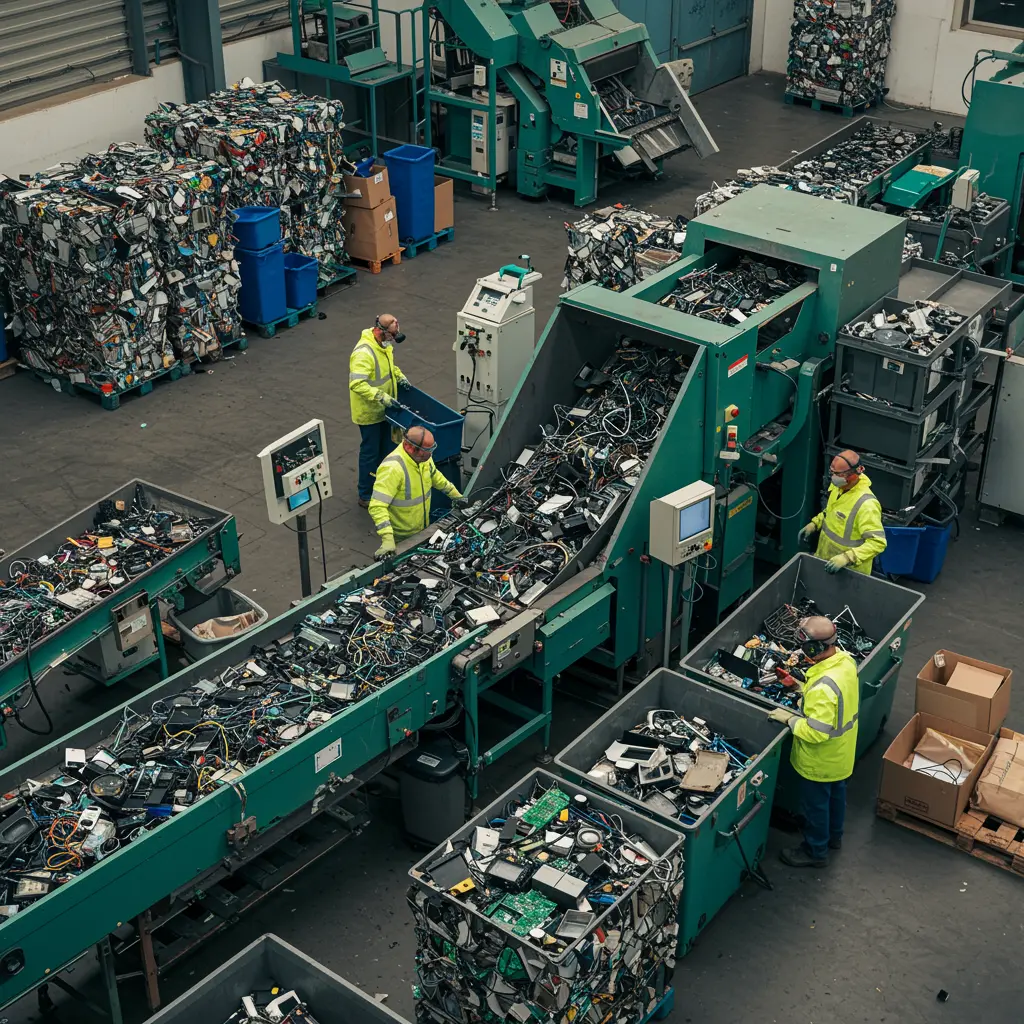
EV batteries don’t simply “die” — they go through several stages:
- First Life (In-Vehicle Use): 8–15 years of service powering the vehicle.
- Second Life (Repurposing): Used batteries that still retain ~70–80% capacity can be reused for:
- Solar energy storage systems
- Backup power for EV charging stations
- Grid balancing solutions
- End-of-Life (Recycling or Disposal): Batteries that can no longer hold charge are sent for dismantling and material recovery.
An excellent example of the circular economy in action is the fact that companies like Nissan, BYD, and Tata Motors are already recycling used EV batteries for stationary energy storage.
How Are Electric Car Batteries Disposed Of?
In order to recover metals and reduce trash, disposal of electric car batteries requires specific recycling methods. The primary techniques utilized worldwide are as follows:
| Method | Process Summary | Pros | Cons |
|---|---|---|---|
| Mechanical Shredding | Batteries are crushed to separate metals and plastics. | Both economical and scalable. | Risk of fire; lower recovery efficiency. |
| Pyrometallurgical Recycling (Smelting) | High-temperature melting extracts metals like nickel, cobalt, and copper. | Effective metal recovery. | High energy use; lithium often lost. |
| Hydrometallurgical Recycling (Chemical Leaching) | Uses liquid chemicals to dissolve and separate valuable materials. | High recovery rates for lithium and cobalt. | Requires safe chemical handling and wastewater treatment. |
In order to increase recovery and safety, modern recyclers frequently employ a hybrid technique, combining mechanical and chemical processes.
Global Initiatives for EV Battery Disposal and Recycling
Different regions are approaching this challenge in unique ways:
Europe
- Implements Extended Producer Responsibility (EPR) laws requiring automakers to take back and recycle batteries.
- Companies like Umicore and Northvolt lead large-scale recycling efforts.
United States
- Firms such as Redwood Materials and Li-Cycle are pioneering sustainable recycling plants.
- The U.S. Department of Energy supports R&D into 100% recyclable battery designs.
China
- The largest EV market also has strict disposal laws — battery traceability and certified recycling facilities are mandatory.
- CATL (China’s biggest battery maker) runs a closed-loop recycling system.
India
- The government introduced Battery Waste Management Rules (2023) under CPCB.
- Startups like Attero Recycling and Lohum are building domestic recycling ecosystems to recover lithium, cobalt, and nickel locally.
The Environmental Cost of Improper Disposal
Long-term harm may result from burning or disposing of EV batteries in landfills:
- Heavy metal contamination seeps into soil and groundwater.
- Toxic gas emissions from fires can harm nearby ecosystems.
- Loss of rare earth elements drives more mining and deforestation.
According to a UN Environment Programme study, incorrect battery disposal could negate up to 40% of the climatic benefits of EV adoption, making recycling a critical global concern.
The Second Life of EV Batteries: From Road to Home Energy
Repurposing batteries is one of the most interesting developments in the EV industry. Automakers are giving batteries a second chance at life instead of shipping them directly to recycling facilities.
Examples include:
- Nissan x Eaton “xStorage” systems use old Leaf batteries for home energy storage.
- Tata Power and Ola Electric are testing used EV batteries for solar backup in India.
- BMW and Audi are repurposing used cells for renewable energy storage in smart grids.
These second-life applications delay disposal, reduce waste, and make renewable energy more accessible.
The Future of Sustainable Battery Disposal
The EV industry is rapidly embracing innovative green recycling practices:
- Solid-State Batteries: New chemistries that are safer, last longer, and are easier to recycle.
- Automated Disassembly Robots: Tesla and Volkswagen are developing AI-based robots for safer dismantling.
- Green Chemistry: Startups are replacing toxic leaching acids with organic, eco-friendly solvents.
- Closed-Loop Systems: Automakers recycle metals directly into new batteries, minimizing waste and costs.
India, Europe, and the U.S. are making significant investments in battery recycling infrastructure, ensuring that the entire EV supply chain becomes circular by design.
How EV Owners Can Contribute
As an EV owner or future buyer, you can play a small but important role:
- Return old batteries to certified dealers or recycling partners.
- Avoid dumping or burning EV batteries — it’s illegal and unsafe.
- Choose brands that offer battery take-back or recycling programs.
- Support recycled materials — look for “green” battery certification labels.
Your responsible behavior guarantees that the EV revolution remains genuinely environmentally beneficial.
Conclusion: A Circular Path Toward Clean Mobility
A sustainable EV ecosystem depends on the proper disposal of electric car batteries, which is more than just an industrial procedure. End-of-life batteries can be converted into useful resources for the upcoming generation of clean cars with the correct recycling technology, regulations, and awareness.
The future of mobility isn’t just about going electric — it’s about making sure every battery gets a responsible second life.
FAQ for Disposal of Electric Car Batteries
What happens to old electric car batteries?
Old electric car batteries are either repurposed for energy storage systems, such as solar backup or grid balancing, or recycled to recover valuable materials like lithium, cobalt, and nickel. This helps reduce waste and supports a circular battery economy.
Can EV batteries be recycled?
Yes. EV batteries can be recycled using methods like mechanical shredding, pyrometallurgical (smelting), or hydrometallurgical (chemical leaching) processes. These recover metals and minerals that can be reused in new battery production.
Are EV batteries harmful to the environment?
EV batteries that are disposed of improperly can be dangerous since they contain hazardous metals that can seep into the ground and water. However, the impact on the environment is significantly diminished when properly handled and recycled.
How long do electric car batteries last?
Depending on usage, temperature, and charging practices, the majority of electric car batteries have a lifespan of 8 to 15 years. Before being recycled, they can frequently be used again for stationary energy storage after their first use in automobiles.
Who is responsible for electric car battery disposal?
The disposal of electric car batteries is mostly the responsibility of automakers and accredited recycling centers. Manufacturers are required by law to gather and recycle used batteries under Extended Producer Responsibility (EPR) programs in nations like the EU and India.


