
Discover how the future of mobility is evolving with electric cars featuring autopilot technology. Learn how Electric Car with Autopilot work, their benefits, top models, and the road ahead.
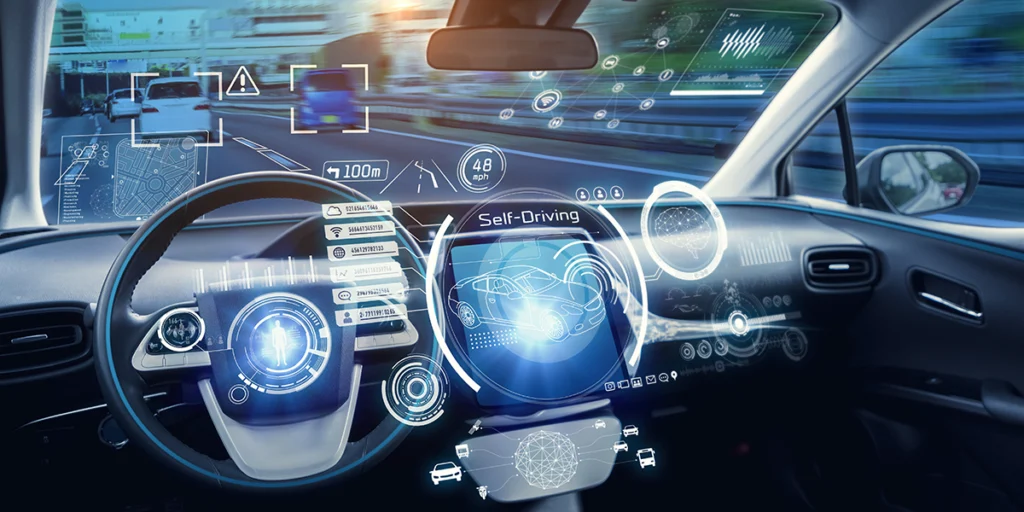
The Rise of Smart Electric Cars
An exciting new era driven by clean energy and directed by artificial intelligence is upon the automotive industry.
Automation is the next big step, but electric vehicles (EVs) have already transformed driving by removing tailpipe emissions.
To provide a more intelligent, secure, and effective driving experience, an electric car with autopilot combines two revolutionary technologies: electric powertrains and AI-driven self-driving capabilities.
Self-driving cars are becoming more common than most drivers anticipated, thanks to innovations like Tesla’s Autopilot and Mercedes’ Drive Pilot.
Table of Contents
What Is an Autopilot Electric Car?
Advanced sensors, cameras, and artificial intelligence are used by autopilot electric cars to help or even complete driving tasks on their own.
While “autopilot” might sound like science fiction, in reality, it refers to driver-assistance systems designed to make driving safer and more comfortable.
Autopilot systems can:
- Maintain lane position automatically
- Control acceleration and braking
- Detect and respond to vehicles, pedestrians, and road signs
- Park themselves in tight spaces
These capabilities fall under different levels of automation, as defined by the SAE (Society of Automotive Engineers):
| Level | Description |
|---|---|
| Level 1 | Basic driver assistance (cruise control, lane-keep assist) |
| Level 2 | Partial automation (driver monitors, car assists) |
| Level 3 | Conditional automation (car can drive itself in some conditions) |
| Level 4–5 | Full automation (no human intervention needed — still under testing) |
Nowadays, Level 2 or Level 3 autopilot EVs combine driver control and Artificial Intelligence support.
How Does Autopilot Work in Electric Cars?
Autopilot systems rely on a mix of sensors, data, and intelligence. Here’s how the magic happens behind the scenes:
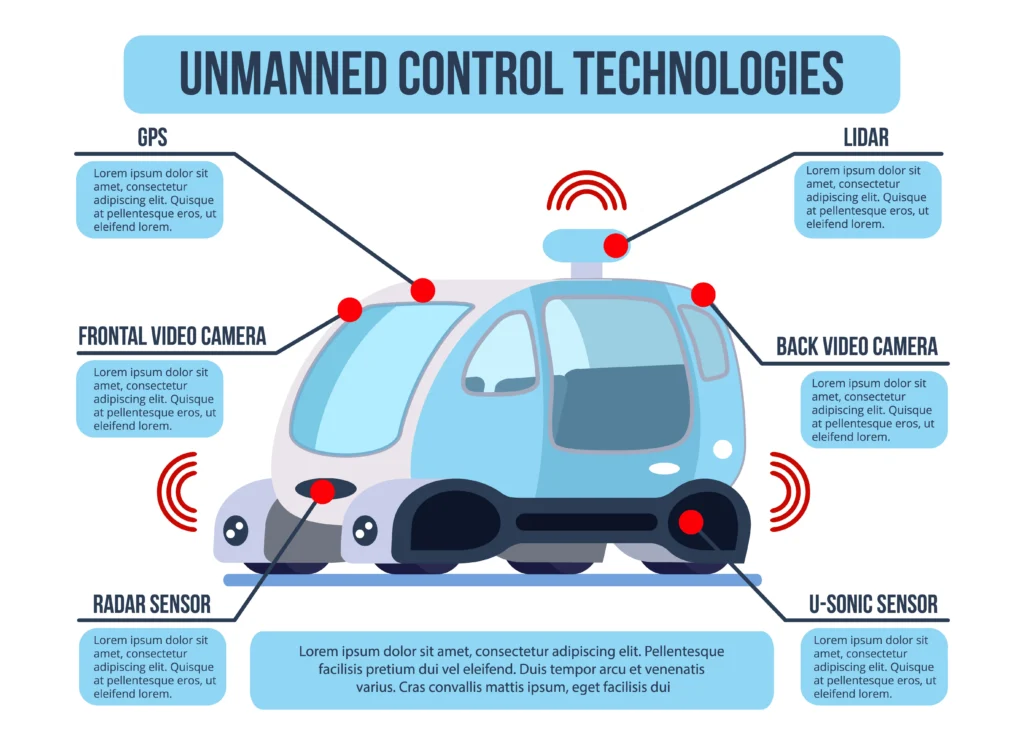
- Cameras and Sensors:
Mounted around the vehicle, they constantly monitor lanes, traffic, and surroundings. - Radar and LiDAR:
Measure distances, detect objects, and assess real-time movement on all sides. - AI and Machine Learning Algorithms:
In order to make driving decisions like braking, steering, and changing lanes, the car’s “brain” analyzes visual and spatial information. - Electric Powertrain Integration:
Since EVs have digital throttle control and instant torque, autopilot systems can execute smoother, faster responses than traditional petrol cars. - Over-the-Air (OTA) Updates:
EV makers like Tesla, Mercedes, and BMW continuously improve autopilot performance through wireless software updates — keeping your car smarter over time.
In essence, an electric car with autopilot acts like a co-pilot, enhancing your driving confidence and safety on every journey.
Benefits of Driving an Electric Car with Autopilot
1. Enhanced Safety
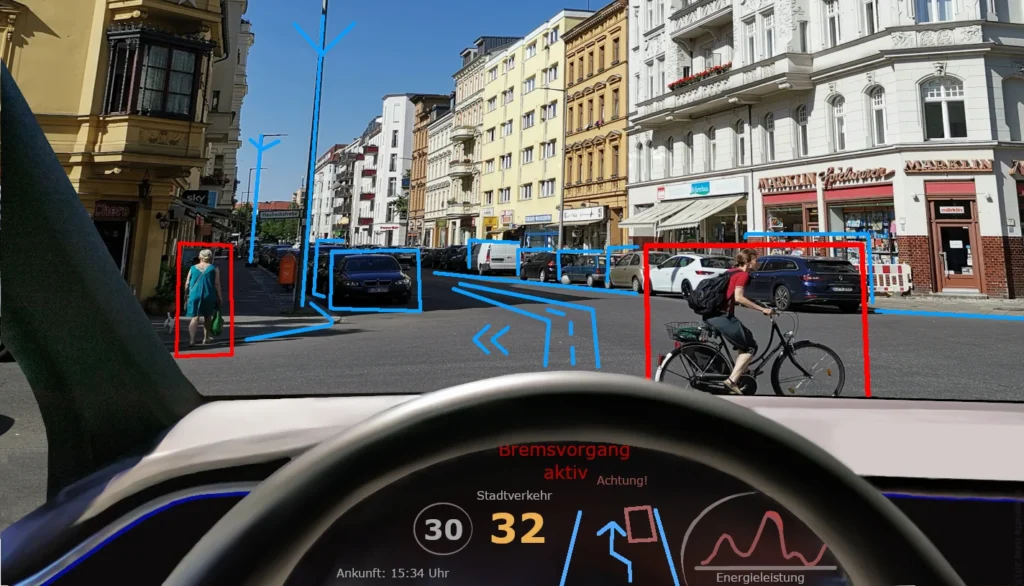
The primary cause of traffic accidents, human mistake, is intended to be lessened via autopilot systems.
Safety margins are greatly increased via autonomous braking, collision alarms, and real-time monitoring.
2. Comfort and Convenience
Autonomous cruise control and lane-keeping mean less fatigue during long drives or traffic jams.
Even some EVs have the ability to summon themselves from a parking space or self-park!
3. Energy Efficiency
AI-driven systems optimize acceleration, braking, and route selection to conserve energy, extending EV range.
4. Continuous Improvement
Unlike petrol cars, your EV keeps evolving through OTA updates that add new features or refine autopilot algorithms.
5. Eco-Friendly Future
Combining electric mobility with automation reduces both emissions and energy waste, shaping a cleaner, smarter future for transportation.
Top Electric Cars with Autopilot Features (2025-26 Edition)
| Model | Brand | Autopilot System | Range (km) | Approx. Price (USD) |
|---|---|---|---|---|
| Tesla Model Y | Tesla | Autopilot / Full Self-Driving (FSD) | 530 | $50,000 |
| Mercedes EQS | Mercedes-Benz | Drive Pilot (Level 3) | 640 | $110,000 |
| BMW i7 | BMW | Driving Assistant Professional | 625 | $125,000 |
| Hyundai Ioniq 5 | Hyundai | Highway Driving Assist 2 | 480 | $50,000 |
| Nissan Ariya | Nissan | ProPILOT Assist 2.0 | 460 | $40,000 |
These cars demonstrate how cutting-edge driver-assistance technologies are spreading throughout different price brackets and brands.
Are Electric Cars with Autopilot Available in India?
Although India’s EV market is expanding quickly, fully autonomous vehicles are not yet allowed by law.
ADAS (Advanced Driver Assistance Systems) or semi-autonomous driving is already available on a number of models, nevertheless.
Popular options include:
- Hyundai Ioniq 5 – Highway Driving Assist, adaptive cruise control.
- MG ZS EV – Auto emergency braking, lane-keeping assist.
- BYD Atto 3 – Advanced ADAS and driver-monitoring features.
True autopilot EVs may not yet be available in India, but electric cars with autopilot-like systems are already making driving safer and smarter.
Challenges and Limitations of Autopilot EVs
Autopilot EVs still face a number of challenges in spite of the advancements:
- Legal Restrictions: Many countries still require a human driver in control.
- Cost: Advanced sensors and AI modules increase production costs.
- Safety Concerns: Systems can misinterpret data in extreme weather or poor road conditions.
- Public Trust: Many drivers remain hesitant to rely entirely on automation.
- Infrastructure: Reliable road mapping and 5G connectivity are crucial for true autonomy.
As these challenges are addressed in the coming days, autopilot technology will become safer and more affordable.
The Future of Electric Cars with Autopilot
With AI, 5G, and vehicle-to-everything (V2X) communication developing at a rapid pace, the future is fascinating.
The majority of new EVs are expected to have Level 3 or greater automation by 2030, according to experts.
Innovations to watch:
- Tesla FSD Version 12: Continuous learning via real-world driving data.
- Mercedes Drive Pilot Expansion: Legalized Level 3 driving in parts of the U.S. and Europe.
- Google Waymo & Apple Car Projects: Shaping the future of autonomous EVs.
In India, we can expect semi-autonomous EVs to become common within the next few years — especially as EV infrastructure and regulations mature.
Should You Buy an Electric Car with Autopilot?
An autopilot-equipped electric car might be your next wise purchase if you’re searching for the ideal mix of comfort, safety, and innovation.
Pros:
- Safer and more relaxing drives.
- Constant software improvements.
- Reduced long-term operating expenses (EV benefit).
Cons:
- Higher upfront price.
- Some features restricted by local regulations.
Customers can currently take advantage of cutting-edge EVs with driver assistance while they wait for full autopilot legality.
The future of driving isn’t just electric — it’s autonomous.
Conclusion: Driving Towards an Autonomous Tomorrow
Electric cars with autopilot represent the next step in mobility — combining zero-emission power with intelligent automation.
Every software update, sensor improvement, and advancement in artificial intelligence gets us one step closer to a future in which driving is optional, even though the road to fully self-driving vehicles isn’t yet complete.
Would you trust your EV to drive you safely through city traffic?
That’s the question the next decade will answer — one autopilot at a time.
FAQ – Electric Car with Autopilot
What is an electric car with autopilot?
An electric car with autopilot uses AI, cameras, and sensors to assist or perform driving tasks such as acceleration, braking, and steering automatically.
Are autopilot electric cars available in India?
Fully autonomous electric cars are not yet legal in India, but models like Hyundai Ioniq 5 and MG ZS EV feature advanced ADAS systems that act as early forms of autopilot.
Which EV offers the best autopilot system?
Tesla’s Full Self-Driving (FSD) system remains the most advanced autopilot technology, followed by Mercedes Drive Pilot and BMW’s Driving Assistant Professional.
Is autopilot in EVs completely safe?
While autopilot systems improve safety and reduce driver fatigue, they still require human supervision as they may not handle all driving conditions perfectly.
What’s next for autopilot electric cars?
By 2030, many EVs are expected to feature Level 3 or higher automation as AI, connectivity, and regulations evolve globally.


