Learn how a solar EV charger at home works, its cost, top brands, and global incentives. Discover how solar energy can power your EV sustainably.
Electric vehicles (EVs) are replacing cars that run on fossil fuels, causing a significant change in the world. One concern that keeps coming up as millions of EV owners make the transition to sustainable mobility is, “How can I charge my EV at home in an economical and sustainable manner?”
That’s where the solar EV charger steps in. Combining solar energy with EV technology, it’s redefining the way we power our cars — using the cleanest energy source available: the sun.
This post will cover all the information you require regarding the installation of a solar EV charger at home, including its cost, worldwide incentives, and how it is influencing the direction of sustainable transportation.
Table of Contents
What is a Solar EV Charger?
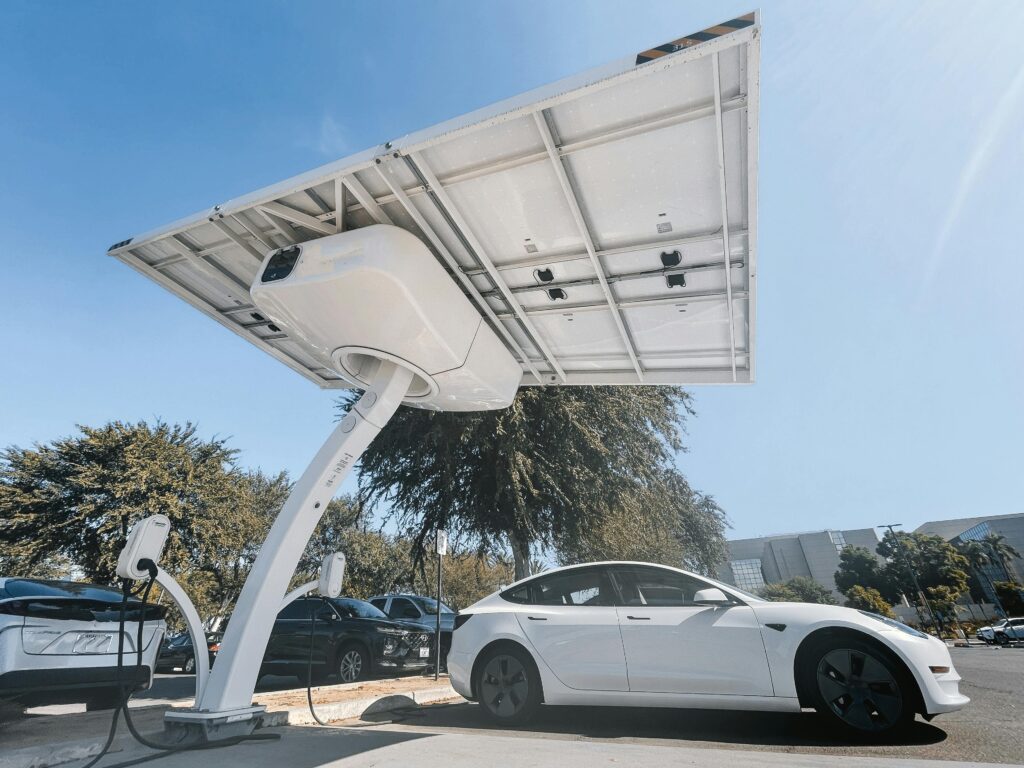
A solar EV charger charges electric cars using power produced by solar panels. Instead of using electricity from the conventional grid, it uses sunshine, which is a plentiful, renewable, and emission-free energy source.
Here’s what a typical solar EV charger setup includes:
- Solar Panels: Use sunlight to generate power using direct current (DC).
- Inverter: Transforms DC into alternating current (AC) that can be used at home and to charge electric vehicles.
- EV Charger: Connects your solar system to your car.
- Battery (Optional): Stores excess solar energy for night-time or cloudy-day charging.
In simple terms, a solar EV charger lets your car “run on sunshine.”
How Does a Solar EV Charger Work?
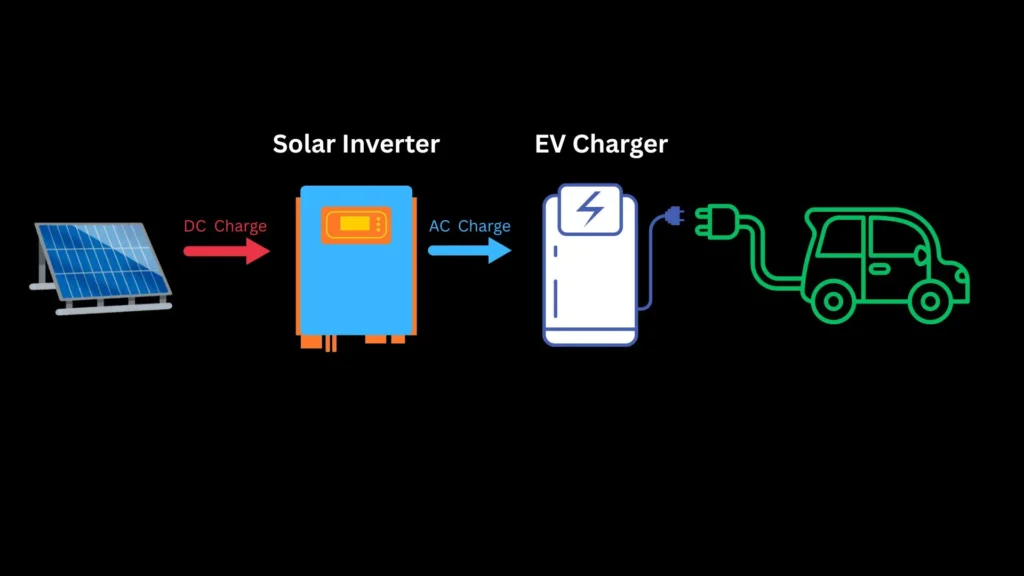
The procedure is incredibly easy and effective:
- Sunlight hits the solar panels.
Solar cells capture the sun’s energy and generate DC electricity. - Inverter converts DC to AC power.
Your home and EV charger typically use AC, so an inverter makes the conversion. - Power flows to your EV charger.
The converted electricity directly powers your home charger and starts charging your EV. - Excess power gets stored or exported.
If your solar system produces more than you need, you can either store it in batteries or sell it back to the grid (via net metering).
Think of it as your own mini solar power plant— fueling your EV without paying heavy utility bills.
Why Solar EV Chargers Are Gaining Popularity Worldwide
The need for solar-powered charging stations is rising as a result of the global movement toward electric vehicles and sustainable energy. Let’s examine the reasons why solar EV chargers are becoming popular among businesses and homeowners worldwide.
| Benefit | Impact |
|---|---|
| Lower Charging Costs | Once installed, solar energy is free. Homeowners can save thousands over the years. |
| Sustainability | Every kWh from the sun reduces your carbon footprint. |
| Energy Independence | Ideal for regions with expensive or unstable power grids. |
| Government Incentives | Most countries now offer subsidies or tax credits for solar installations. |
| Future-Ready Homes | EV + solar setups boost property value and tech appeal. |
For environmentally conscious drivers, a solar EV charger is a win-win situation because it benefits both the environment and your wallet.
Installation Requirements for a Solar EV Charger
Before you install a solar EV charger at home, here are a few key things to consider:
1. Sunlight Exposure
Choose a location with direct sunlight for at least 4–6 hours daily. Stay away from regions that are shaded by buildings or trees.
2. Roof Space
A typical 5 kW solar system (enough for an EV + home) needs about 25–30 m² of roof area.
3. Electrical Setup
Ensure your home’s wiring and main circuit can handle the power flow. A professional installer will assess this.
4. Battery Backup (Optional)
Adding a solar battery allows you to charge even at night or during power outages.
5. Certified Installation
Always hire licensed solar and EV charger installers to comply with safety and warranty guidelines.
Cost of Installing a Solar EV Charger (Global Overview)
Prices vary depending on the country, solar capacity, and type of system (grid-tied, hybrid, or off-grid).
| Region | Approx. Cost | Details |
|---|---|---|
| United States | $10,000 – $25,000 | 30% federal tax credit available under the Inflation Reduction Act. |
| United Kingdom | £12,000 – £16,000 | OZEV incentives are available for smart chargers. |
| Europe (Germany, France, etc.) | €3,000 – €10,000 | Incentives vary by country; net metering available. |
| India | ₹1.45 – ₹5 lakh | MNRE rooftop solar subsidy up to 40%. |
| Australia | AUD 10,000 – 15,000 | State solar rebates and feed-in tariffs offered. |
Top Solar EV Charger Brands Around the World
| Brand | Country | Highlights |
|---|---|---|
| Tesla Wall Connector (Solar Compatible) | USA | Works seamlessly with Tesla Solar Roof and Powerwall. |
| Wallbox Pulsar Plus Solar | Spain / Global | Smart solar mode optimizes charging when sunlight is available. |
| myenergi Zappi | UK / EU | Direct solar + wind integration, perfect for home use. |
| SolarEdge Home EV Charger | Global | Combines inverter and charger in one compact design. |
| Tata Power EZ Charge Solar | India | Affordable solar-based home charging. |
| ABB Terra AC Wallbox | Global | Reliable smart charger with solar sync capability. |
Nowadays, a lot of EV chargers are “solar-ready,” which makes integration simpler than before.
Government Incentives & Subsidies for Solar EV Chargers
Homeowners are being encouraged by governments all around the world to use solar charging. Here is a summary of the main incentives:
| Country | Incentive/Program | Benefit |
|---|---|---|
| United States | Federal Investment Tax Credit (ITC) | 30% tax rebate for residential solar installations. |
| United Kingdom | OZEV Grant & Smart Export Guarantee | £350 off charger + payments for exported solar energy. |
| Germany | KfW Solar + EV Subsidy | Grants for combined solar battery + EV charging systems. |
| India | MNRE Rooftop Solar Scheme | Up to 40% subsidy on home solar installations. |
| Australia | Solar Rebate Program | State-level cash rebates and feed-in tariffs. |
Challenges to Consider
While the benefits are compelling, there are a few challenges too:
- High Initial Cost: Even though long-term savings are substantial, initial investment might be high.
- Weather Dependence: Solar generation drops during cloudy or rainy days.
- System Compatibility: Not all EV chargers support solar integration.
- Installation Complexity: Requires expert setup and proper grid approval in some countries.
Despite these hurdles, global adoption is rising fast — driven by falling solar costs and strong green policies.
The Future of Solar-Powered EV Charging
The solar EV charger is at the heart of the world’s green mobility revolution.
In the coming years, we’ll see:
- Vehicle-to-Grid (V2G) technology: EVs sending power back to homes or grids.
- AI-powered energy management: Smart systems that charge EVs only when solar output is high.
- Ultra-efficient panels: New solar technologies reducing installation size and cost.
- Community Solar Hubs: Neighborhood-level shared charging powered by local solar farms.
Conclusion
A solar EV charger is more than a green accessory — it’s a gateway to sustainable, independent, and cost-efficient living. Whether you’re in California, London, Berlin, or Mumbai, charging your EV with solar power means driving clean and saving smart.
The combination of solar and electric mobility is no longer a choice; it is the future as global regulations related to emissions and energy independence tighten.
So, if you’re planning your next EV or home upgrade, consider installing a solar EV charger. It’s an investment that pays off in both savings and sustainability.
FAQs – Solar EV Charger
What is a solar EV charger?
A solar EV charger uses energy generated from solar panels to charge electric vehicles, providing a clean and cost-effective alternative to grid electricity.
How much does a solar EV charger cost globally?
Globally, solar EV charger setups cost between $8,000 and $18,000 depending on region, solar capacity, and inclusion of batteries or smart chargers.
Can I fully charge my EV using solar power?
Yes, with a properly sized solar system, you can charge your EV entirely from solar energy, especially in sunny regions or with battery backup.
Are there government incentives for solar EV chargers?
Yes, many countries offer incentives such as the 30% Federal Tax Credit in the US, OZEV grant in the UK, MNRE rooftop subsidy in India, and feed-in tariffs in Australia.