
In this guide, we’ll break down everything about electric cars and oil changes, what fluids EVs still use, and the essential EV maintenance tips every driver should know. By the end, you’ll see why owning an EV is not only better for the planet but also easier on your wallet.
“Do electric cars need oil changes?” is one of the first concerns that may come to mind if you’re considering making the move to an electric vehicle. After all, one of the most frequent maintenance procedures for conventional cars is changing the oil. The quick response? No, oil changes are not necessary for electric vehicles. However, there is more to the situation than a simple answer Electric Cars and Oil Changes, and in the following article, we will break that down accurately.

Table of Contents
Understanding How Electric Cars Work
We have to first know how EVs operate in order to understand the reason why they skip oil changes. Internal combustion engines (ICE) power conventional automobiles. To keep your car running, these engines use hundreds of moving parts, burn fuel, and produce heat. Oil serves as the engine’s lifeblood, cooling, lubricating, and cleaning it.
Electric cars, on the other hand, don’t have engines. They use electric motors powered by a battery pack. With far fewer moving parts and no combustion, they don’t need the same kind of oil circulation system.
Why Electric Cars Don’t Need Engine Oil
Here’s the key reason: EVs don’t have engines that burn fuel. Without pistons, crankshafts, or valves moving up and down thousands of times per minute, there’s simply no need for engine oil. Instead, the electric motor uses sealed bearings and permanent lubrication that rarely, if ever, needs attention.
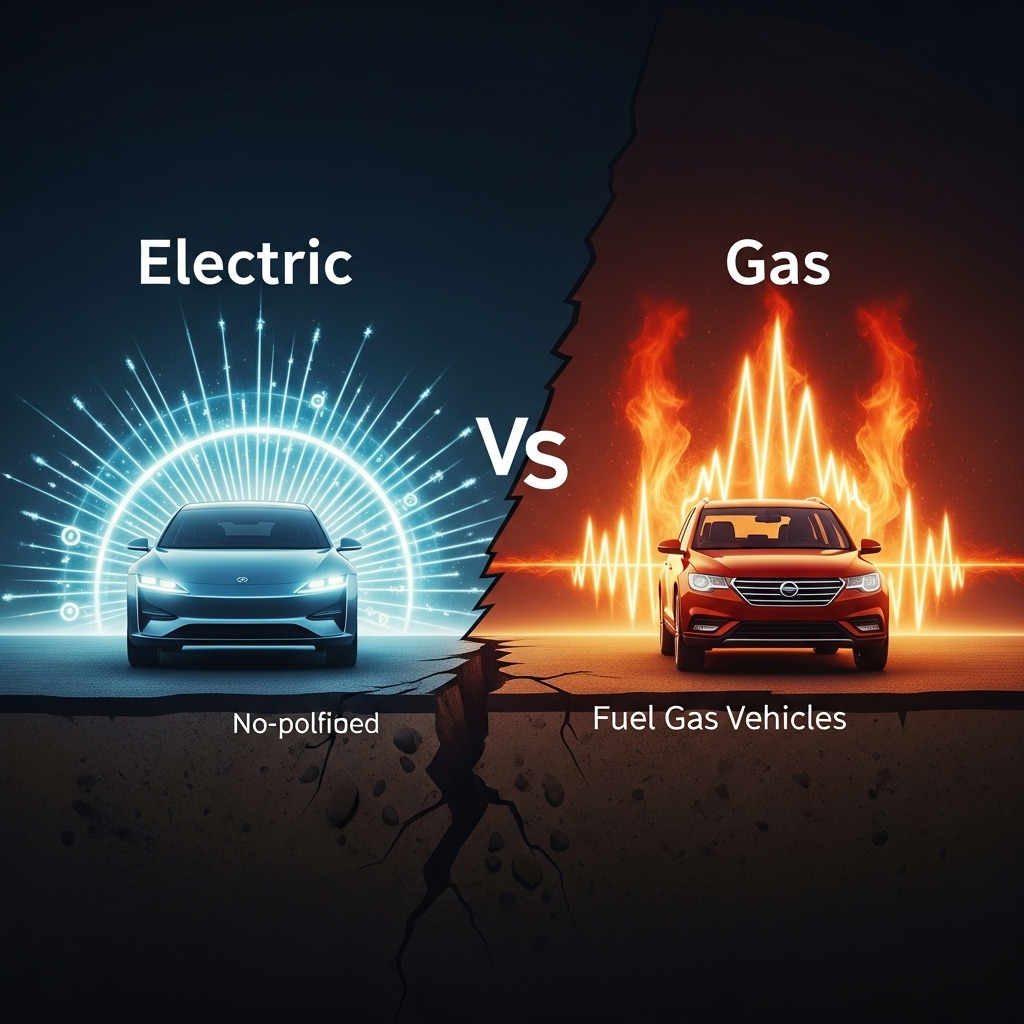
Now, while you can cross “Electric Cars and Oil Changes” off the list, that doesn’t mean EVs are completely fluid-free. Here’s what you still need to think about:
- Transmission Fluid (sometimes): Some EVs have gearboxes that may need occasional fluid checks.
- Brake Fluid: EVs use regenerative braking, which reduces wear, but the brake system still uses fluid.
- Coolant: EV batteries generate heat, and a liquid cooling system keeps them at the right temperature.
- Windshield Washer Fluid: Yep, you’ll still need to top this up just like in a gas car.
Maintenance in Electric Cars vs Gas Cars
Gasoline cars often need an oil change every 5,000–10,000 miles. Along with that, filters, spark plugs, and timing belts add to the list. Electric cars eliminate all of that. Instead, their “maintenance routine” revolves around fluids like coolant and brake fluid, plus occasional checks on tires and suspension.
Common Myths About Electric Cars and Oil Changes
Let’s bust a few myths:
- “EVs need oil like hybrids.” Wrong—hybrids still have gas engines, so they need oil. EVs don’t.
- “Electric motors need oil.” Electric motors are sealed and use grease, not engine oil.
- “Skipping oil changes damages EVs.” Since there’s no engine oil, there’s nothing to skip!
What Fluids EVs Might Occasionally Need Checked or Replaced
While you’ll never see an EV service center advertising for Electric Cars and Oil Changes, you will need occasional fluid care:
- Coolant: Usually replaced every 5–10 years, depending on the brand.
- Brake Fluid: Typically every 2–5 years.
- Gearbox Lubricant: Some EVs, like the Porsche Taycan, may require it at certain intervals.
Battery Maintenance vs Oil Changes
- Think of the EV battery as the “heart” of the car. Instead of worrying about oil sludge, you’ll be monitoring battery health. That means:
- Keeping the cooling system in check
- Following charging best practices
- Installing software updates from the manufacturer
- In other words, Electric Cars and Oil Changes is actually a battery health check.
How Often Should You Service an Electric Car?
Most manufacturers recommend servicing EVs once a year or every 10,000–15,000 miles. That’s much less frequent than oil changes, which can happen multiple times a year in gas cars.
Cost of EV Maintenance Compared to Gas Cars
Here’s where things get exciting: EV owners save a ton on maintenance. A typical gas car owner spends $500–$1,000 annually on oil changes, spark plugs, exhaust system repairs, and more. EV drivers often spend half of that or even less, mostly on tires and occasional fluid replacements.
Do Hybrid Cars Still Need Oil Changes?
Yes—this is where people often get confused. Hybrids, like the Toyota Prius, have both an electric motor and a gasoline engine. Since the gas engine still runs part of the time, hybrids absolutely need oil changes. Thus sometimes Electric Cars and Oil Changes are inter-related. Pure EVs like Tesla, Nissan Leaf, and Hyundai Ioniq 5? Not at all.
Signs Your EV Needs Maintenance
Even without oil, EVs still give you signs when something’s wrong:
- Unusual whining or grinding noises
- Dashboard warning lights
- Reduced range or overheating alerts
- Braking feels spongy or inconsistent
- Long-Term Benefits of EV Maintenance
Because EVs skip oil changes and many engine-related issues, they tend to last longer with fewer breakdowns. That means:
- Lower ownership costs
- Less time at the mechanic
- A cleaner, more reliable ride
Future of EV Maintenance
The future looks even simpler. With self-diagnosing onboard systems, EVs are already able to notify you of problems before they get serious. Over-the-air software updates can even fix issues without you stepping into a service center. Imagine never even thinking about oil changes again—that’s the EV promise.
Conclusion
So, do electric cars need oil changes? Nope, not at all. What they do need is attention to coolant, brake fluid, and battery health. EVs are designed to cut down on maintenance, save money, and make your driving life easier. Instead of worrying about oil changes every few months, you can enjoy a cleaner, simpler, and more cost-efficient ride.
FAQ – Electric Cars and Oil Changes
Do electric cars need oil changes?
No, oil changes are not necessary for electric vehicles. Electric motors in electric vehicles (EVs), as opposed to gasoline or diesel engines, don’t need to be lubricated with engine oil. As a result, maintaining EVs is simpler and less expensive.
Why do electric vehicles not require engine oil?
Internal combustion engines (ICE) have more moving parts than electric motors, which power electric cars. Regular oil changes are no longer necessary because these motors employ sealed bearings and don’t generate friction like engines do.
Do electric cars use any type of oil or fluid?
Electric vehicles (EVs) do not utilize engine oil, but they do need other fluids including braking fluid, coolant for battery temperature control, and transmission fluid (in certain models). Per manufacturer recommendations, these fluids require routine examination and replacement.
What maintenance do electric cars need instead of oil changes?
Although overall maintenance for electric automobiles is lower, routine checks should be performed on the battery, brake fluid, coolant levels, tire pressure, and software upgrades. Periodically, EVs also require brake maintenance and cabin air filter replacements.
Are electric cars cheaper to maintain than petrol or diesel cars?
Yes, maintaining an electric automobile is typically less expensive. Compared to conventional cars, they feature fewer moving parts, no exhaust system, no oil filters, and no spark plugs, which drastically lowers maintenance expenses.
Do hybrid cars still need oil changes?
Yes, since hybrid vehicles contain an electric motor in addition to a gasoline or diesel engine, they still require oil changes. The combustion engine’s parts are lubricated in part by the engine oil.
How often should I service an electric car?
Generally, electric vehicles need to be serviced once a year or every 10,000–15,000 kilometers, depending on what the manufacturer recommends. Tires, software diagnostics, battery, and cooling system inspections are the primary components of the service.


