
Discover how Vehicle-to-Grid charging is transforming electric vehicles into mobile energy sources. Learn its benefits, challenges, global adoption, and future role in renewable energy integration.
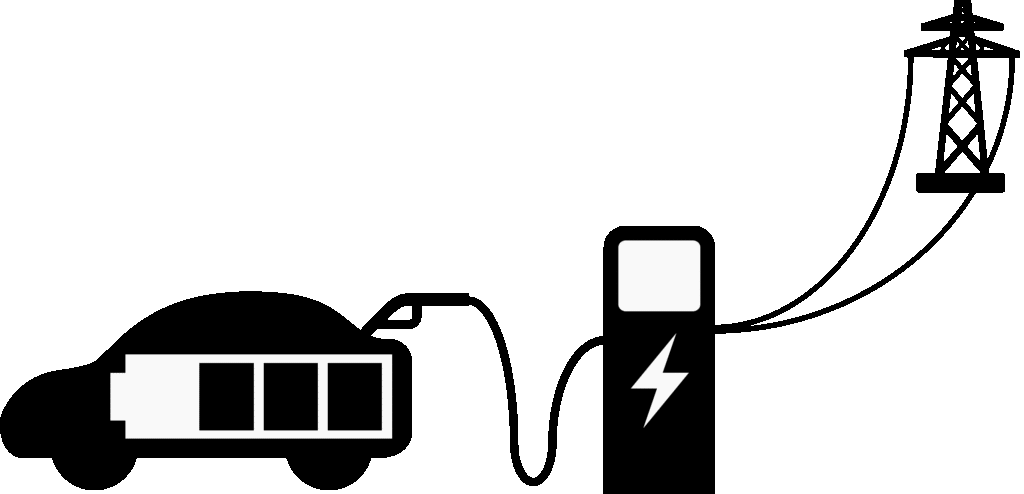
Table of Contents
What is Vehicle-to-Grid Charging?
Electric vehicles (EVs) are becoming an essential part of the energy ecosystem and are no longer only an alternative to gasoline and diesel automobiles.One of the most exciting innovations in this space is Vehicle-to-Grid charging (V2G).
When EVs are charged traditionally, they merely use electricity.Vehicle-to-Grid charging allows EVs to send stored energy back to the power grid when needed.Consider your electric vehicle (EV) as a mobile power bank that supports renewable energy systems, cities, and households.
As EV use increases worldwide,Vehicle-to-Grid charging is emerging as a key solution for smarter, cleaner, and more sustainable energy management.
How V2G Charging Works
At its core, Vehicle-to-Grid charging is about two-way energy flow. Instead of EVs just pulling electricity from the grid, they can also push it back. Here’s how it happens:
- Bi-directional Chargers – Unlike regular chargers, bi-directional chargers allow electricity to move both ways, enabling your car battery to discharge energy back to the grid.
- Smart Communication Systems – V2G requires constant communication between the EV, the charger, and the grid operator. Smart meters track when and how much electricity can be shared.
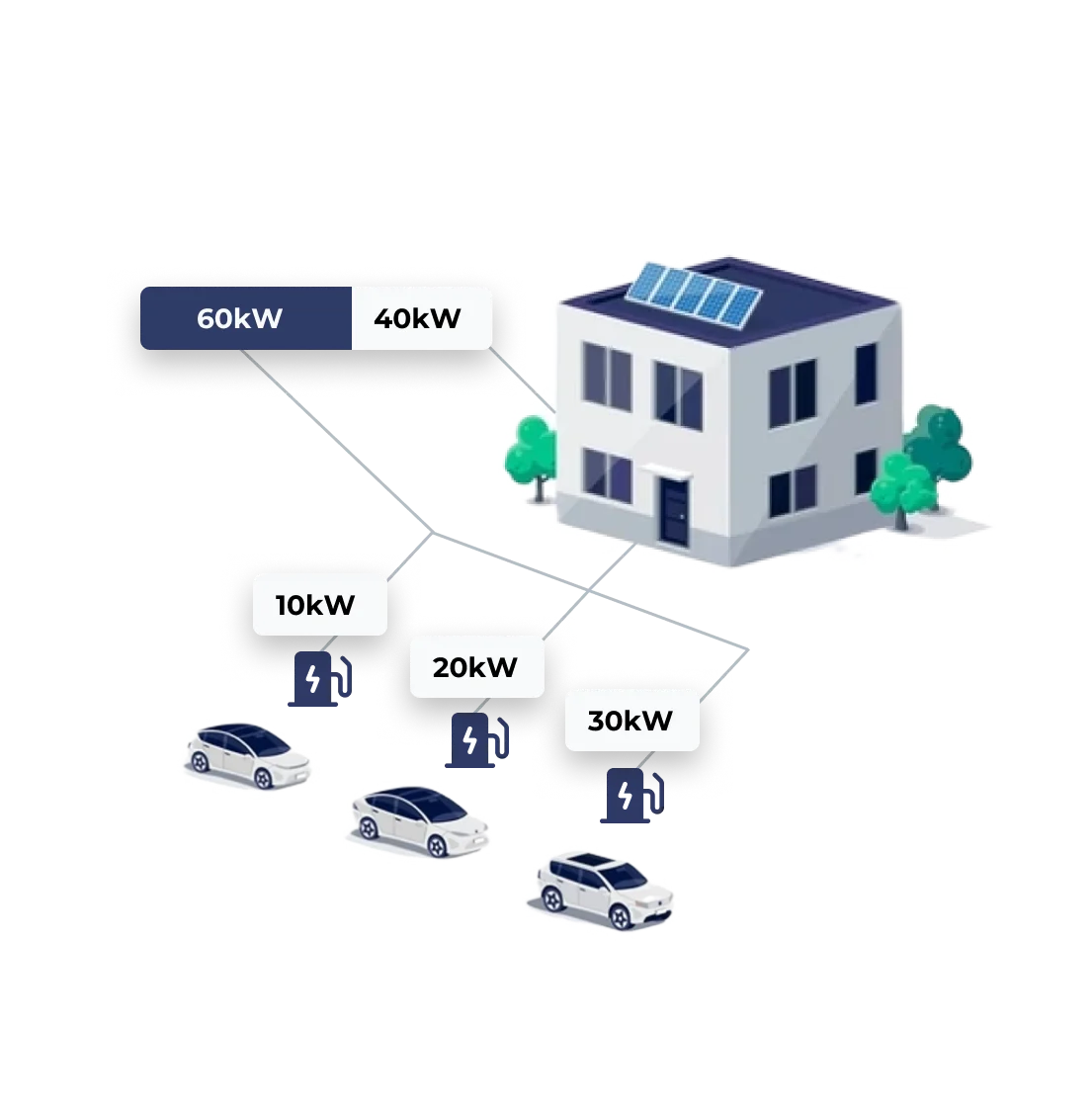
- Energy Storage Role of EV Batteries – EVs act as temporary storage systems. During peak demand hours, EVs can supply power to stabilize the grid, while charging back up during low-demand hours.
Benefits of Vehicle-to-Grid Charging
1. Cost Savings for EV Owners
One of the biggest benefits of V2G charging is the potential to save (and even earn) money. EV owners can sell excess power back to the grid or use stored energy during high electricity price hours.
2. Grid Stabilization
Electricity demand fluctuates throughout the day. V2G helps balance supply and demand, reducing the need for expensive backup power plants.
3. Boosts Renewable Energy Integration
Solar and wind power are clean but inconsistent. EVs using V2G can store excess solar or wind energy and release it when production drops, making renewable energy more reliable.
4. Energy Security
During power outages, EVs can act as backup generators for homes and businesses. For example, a fully charged EV battery can power a household for several hours.
5. Environmental Benefits
By supporting renewable energy and reducing dependence on fossil fuel-based power generation, Vehicle-to-Grid charging lowers carbon emissions and helps fight climate change.
Challenges of Vehicle-to-Grid Charging
While the benefits are clear, several challenges slow down the large-scale adoption of V2G charging:
- Battery Degradation Concerns – Frequent charging and discharging cycles can reduce battery life, though new battery technologies are addressing this issue.
- Infrastructure Limitations – Bi-directional chargers and smart grids are still not widely available, especially in developing countries.
- Policy and Regulation – Many countries lack clear policies on how EV owners can sell power back to the grid and what are its alternatives that should compensate them.
- High Initial Costs – Bi-directional chargers are more expensive than regular EV chargers, making adoption slower.
- Standardization Issues – Not all EV models are currently compatible with (V2G) technology. Automakers are still working towards universal standards.
Global Adoption of Vehicle-to-Grid Charging
Japan – The Pioneer
Japan, led by Nissan with its LEAF model, has been a pioneer in V2G. After the Fukushima disaster, Japan invested heavily in energy resilience, and V2G became an important part of the strategy.
Europe – Leading the Way
Countries like the UK, Netherlands, and Germany are running large-scale V2G pilot projects. In the UK, companies like Octopus Energy and Ovo Energy are already offering incentives for EV owners to participate in V2G programs.
United States
The United States is gradually adopting to (V2G) through pilot programs, with automakers like Ford (F-150 Lightning) promoting vehicle-to-home and V2G capabilities.
India
In India, V2G is still in its infancy. However, with rapid EV adoption, renewable energy growth, and government support for smart grids, Vehicle-to-Grid charging has strong potential in the coming years.
V2G Charging and Renewable Energy
The potential of V2G to include renewable energy is one of the main factors driving the industry’s excitement. Although clean, solar and wind energy can produce too much or too little power at different times.
Vehicle-to-Grid charging helps by:
- Storing excess solar power during the day in EV batteries.
- Releasing stored energy at night or when wind/solar output drops.
- Acting as a distributed energy storage system, reducing the need for large-scale battery farms.
This makes EVs more than just cars—they become an active part of the clean energy ecosystem.
Future of V2G Charging (2025 and Beyond)
Looking ahead, the Vehicle-to-Grid charging market is set for massive growth:
- Automakers leading the charge: Nissan, Hyundai, Ford, and BYD are already producing V2G-enabled vehicles. While Tesla is not offering V2G yet, is expected to enter the space.
- Smart Cities and IoT Integration: V2G will play a central role in smart cities, where cars, homes, and energy systems are all interconnected.
- Market Forecasts: Industry reports predict the global Vehicle-to-Grid charging (V2G) market will grow significantly by 2030, driven by rising EV adoption and renewable energy demand.
- India’s Role: With policies like FAME II and increasing renewable capacity, India could leapfrog into V2G adoption within this decade.
Why V2G Charging Matters
Vehicle-to-Grid charging is more than just an EV innovation—it’s a game-changer for energy and sustainability. It helps EV owners save money, strengthens electricity grids, and accelerates renewable energy adoption.
As technology improves and governments are rolling out supportive policies, V2G charging will likely become a standard feature in future for electric vehicles. For drivers, it means their car isn’t just a mode of transport—it’s also a clean, mobile power station.
FAQs – Vehicle-to-Grid Charging
What is Vehicle-to-Grid charging?
Vehicle-to-Grid charging (V2G) allows electric cars to both take electricity from the grid and send power back, turning EVs into mobile energy storage systems.
How does V2G charging benefit EV owners?
It helps owners save on electricity costs and even earn by selling power back to the grid.
Does Vehicle-to-Grid charging damage the battery?
Frequent charging/discharging may affect battery life, but new battery technologies and smart management systems are reducing this issue.
Which countries are leading in Vehicle-to-Grid charging?
Japan, the UK, the Netherlands, and Germany are global leaders, with the U.S. and India catching up.
Is V2G charging available in India?
Currently, it’s limited, but with growing EV adoption and renewable energy focus, India is expected to adopt (V2G) in the coming years.


