Electric vehicles (EVs) have transformed from niche products into mainstream transportation options. Governments worldwide are encouraging EV adoption through incentives, automakers are launching new electric models, and charging infrastructure is expanding rapidly.
Despite these advancements, one question remains at the top of many buyers’ minds: Will EV prices drop globally in 2026?
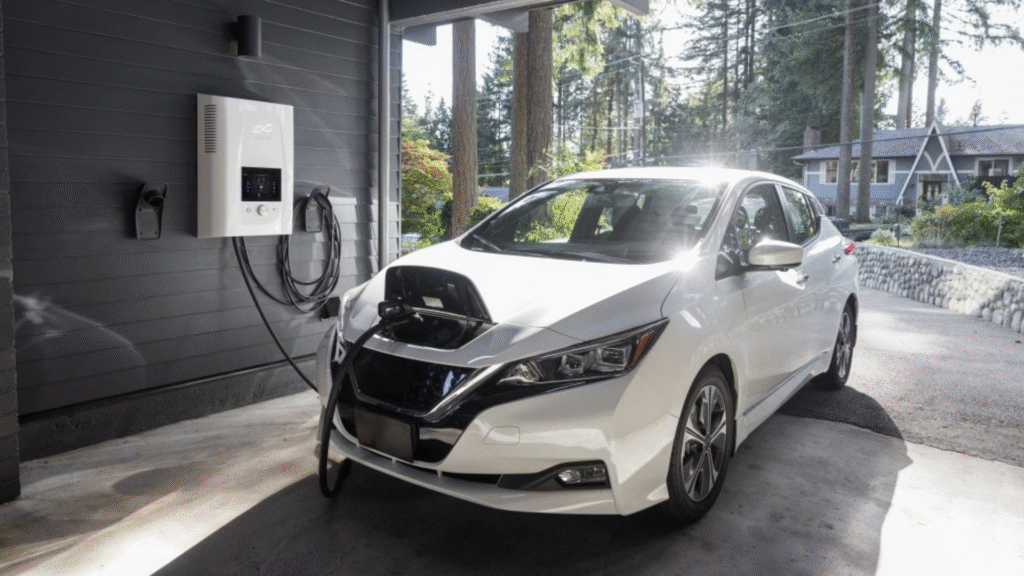
For many consumers, the higher upfront cost of an electric vehicle compared to a petrol or diesel vehicle remains the biggest barrier to adoption. However, industry experts believe the coming years could bring significant changes to EV pricing.
In this article, we’ll explore that will EV prices drop globally in 2026?, what factors are driving affordability, and what buyers in India and around the world can expect.
Table of Contents
Why Are EVs More Expensive Than Petrol Cars Today?
Although electric vehicles are generally cheaper to operate and maintain, they often cost more to purchase.
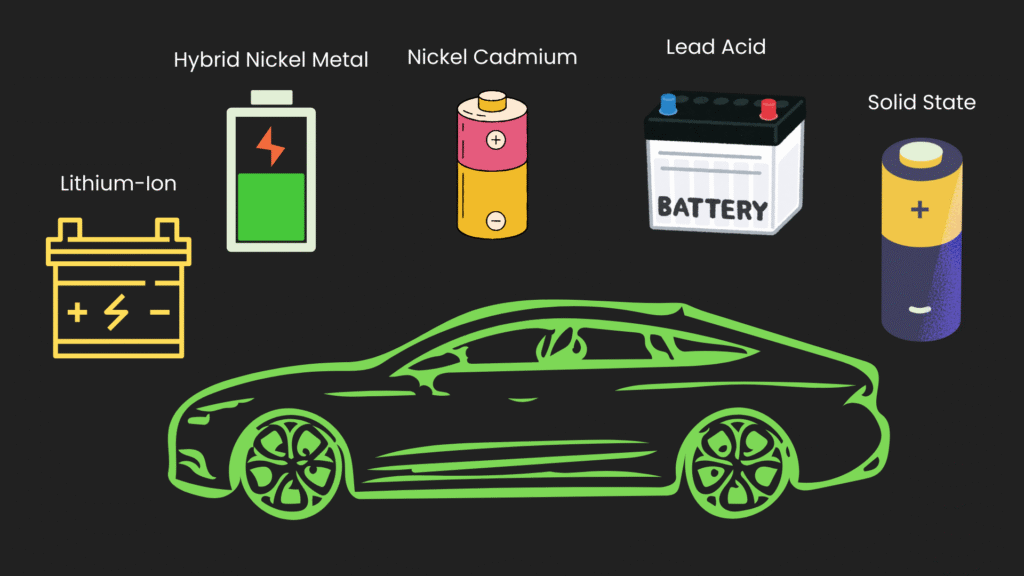
The primary reason is the battery pack.
Battery Costs Account for a Large Portion of EV Prices
The battery is the most expensive component in an electric vehicle. Depending on the model, batteries can account for 30% to 40% of the total vehicle cost.
Manufacturers must source raw materials such as:
- Lithium
- Nickel
- Cobalt
- Graphite
- Manganese
Price fluctuations in these materials directly affect EV production costs.
Lower Production Volumes
While EV sales are growing rapidly, traditional internal combustion engine (ICE) vehicles are still produced in much larger numbers globally.
Higher production volumes help reduce manufacturing costs. As EV production scales up, costs are expected to decline.
Advanced Technology
Modern EVs often include:
- Large touchscreen displays
- Advanced driver assistance systems (ADAS)
- Connected vehicle features
- Over-the-air software updates
These technologies contribute to higher vehicle prices.
Will EV Prices Drop Globally in 2026?
The short answer is: Most industry analysts believe EV prices will continue to decline through 2026.
Several trends support this prediction.
Battery Prices Are Falling
Battery costs have declined dramatically over the past decade.
In the early 2010s, battery packs cost well over $1,000 per kilowatt-hour (kWh). Today, many manufacturers are approaching the $100 per kWh threshold, often considered the point where EVs can achieve price parity with petrol vehicles.
As battery technology improves and production expands, costs are expected to fall further by 2026.
More Competition Means Lower Prices
The global EV market is becoming increasingly competitive.
Major automakers such as:
- Tesla
- BYD
- Hyundai
- Kia
- Volkswagen
- General Motors
- Ford
are competing alongside newer manufacturers and startups.
Increased competition typically leads to lower prices, better features, and improved value for consumers.
New Battery Technologies
Battery innovation is accelerating.
Many manufacturers are adopting Lithium Iron Phosphate (LFP) batteries, which are:
- Cheaper to produce
- Safer
- Longer lasting
Future technologies such as sodium-ion batteries may further reduce costs and lessen dependence on expensive raw materials.
Key Factors Driving EV Price Drops in 2026
Expansion of Battery Gigafactories
New battery manufacturing facilities are being built worldwide.
Countries investing heavily in battery production include:
- China
- United States
- Germany
- South Korea
- India
As manufacturing capacity increases, economies of scale can reduce battery costs significantly.
Local Manufacturing
Governments are encouraging domestic EV production.
Local manufacturing helps reduce:
- Import duties
- Shipping costs
- Currency-related expenses
This is particularly important for developing markets such as India.
Supply Chain Improvements
The supply chain disruptions experienced during recent years increased vehicle costs.
As supply chains stabilize, production becomes more efficient, helping manufacturers lower prices.
Government Support
Many countries continue to support EV adoption through:
- Tax credits
- Purchase incentives
- Charging infrastructure investments
These programs improve affordability even if sticker prices remain relatively high.
Which Countries Could See the Biggest EV Price Drops?
China
China is currently the world’s largest EV market.
Strong competition among domestic manufacturers has already sparked price wars, resulting in some of the most affordable EVs available globally.
Chinese consumers are likely to continue benefiting from lower EV prices in 2026.
Europe
European automakers are launching more affordable electric models to comply with strict emissions regulations.
Competition from Chinese EV brands could further drive down prices.
United States
The expansion of domestic battery production and federal EV tax credits may help make electric vehicles more affordable for American consumers.
India
India is expected to become one of the most exciting EV markets over the next few years.
Several factors support future price reductions:
- Expansion of local battery manufacturing
- Government initiatives supporting EV adoption
- Increasing competition among automakers
- Improved charging infrastructure
Will EVs Become as Affordable as Petrol Cars?
One of the most discussed concepts in the automotive industry is price parity.
Price parity occurs when an electric vehicle costs roughly the same as an equivalent petrol or diesel vehicle.
Entry-Level Segments May Reach Parity First
The first vehicles likely to achieve parity include:
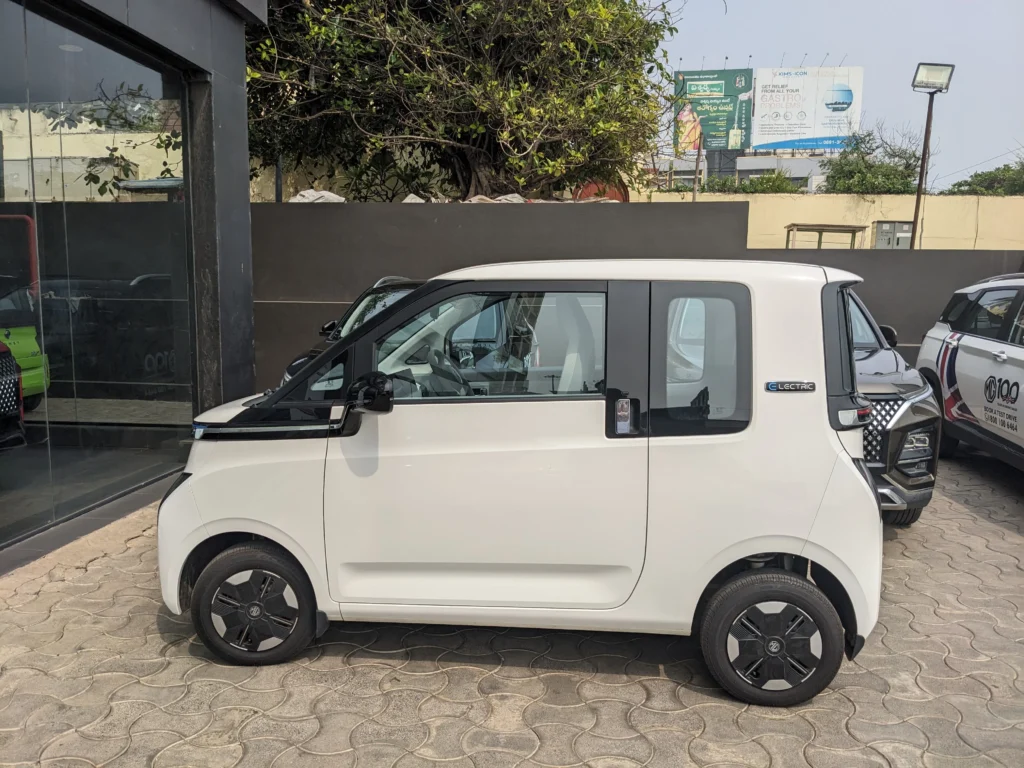
- Small hatchbacks
- Compact SUVs
- Urban commuter vehicles
These segments benefit most from lower battery requirements.
Total Cost of Ownership Already Favors EVs
Even if EV purchase prices remain slightly higher, many drivers save money through:
- Lower charging costs
- Reduced maintenance expenses
- Fewer moving parts
- Government incentives
For many consumers, EVs are already cheaper over their lifetime than conventional vehicles.
Challenges That Could Slow EV Price Reductions
While the outlook is positive, several risks remain.
Raw Material Volatility
Sudden increases in lithium or nickel prices could impact battery costs.
Trade Restrictions
Import tariffs and trade disputes may increase production expenses in certain regions.
Reduction of Subsidies
Some governments are gradually reducing EV incentives as adoption increases.
Inflation and Economic Conditions
Global inflation and higher manufacturing costs could offset some expected savings.
What Should Buyers Do?
Buy Now If:
- You need a vehicle immediately
- Attractive incentives are available
- Fuel savings justify the investment
- You have access to convenient charging
Consider Waiting If:
- You’re looking for the most affordable EV possible
- You expect more choices in your market
- You’re interested in newer battery technologies
For many buyers, waiting until 2026 could provide access to a broader range of affordable electric vehicles.
What EV Prices Could Look Like in 2026
Entry-Level EVs
Prices could fall by 10–20% in many markets.
Mid-Range EVs
Increased competition may improve value while maintaining similar prices.
Premium EVs
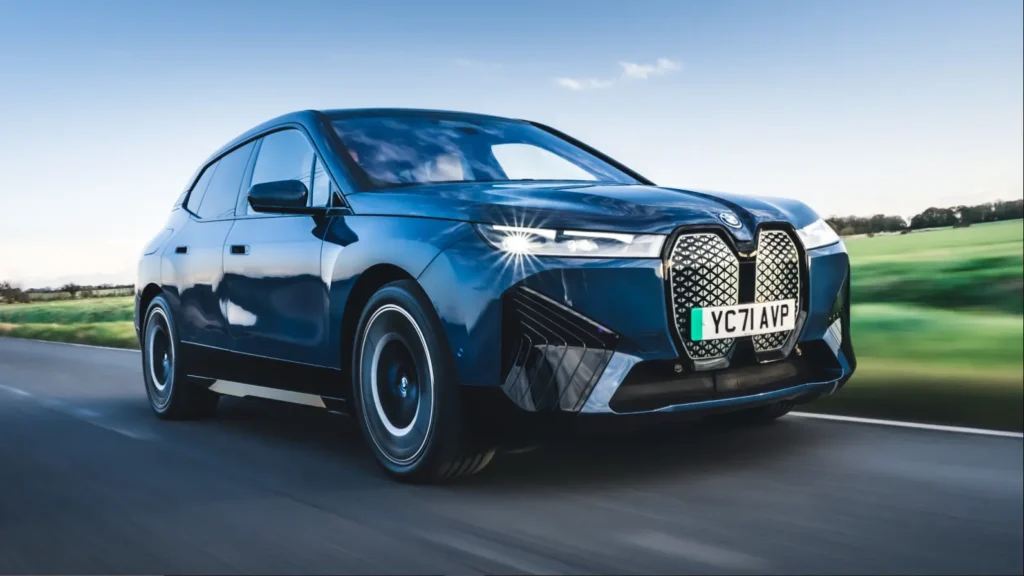
Luxury brands may focus more on features than aggressive price reductions.
India-Specific Outlook
The Indian market is expected to see significant growth in affordable EVs priced below ₹15 lakh as domestic manufacturing expands and competition intensifies.
Conclusion
So, Will EV prices drop globally in 2026?
The evidence strongly suggests that they will.
Falling battery costs, increased competition, local manufacturing, and advances in technology are all contributing to greater affordability. While challenges remain, the overall direction of the EV market points toward lower prices and wider accessibility.
For consumers in India and around the world, 2026 could be a pivotal year when electric vehicles become more affordable than ever before, bringing the industry one step closer to mainstream adoption.
FAQs
Will EV prices drop globally in 2026?
Most industry experts expect EV prices to decline in 2026 due to falling battery costs, increased manufacturing capacity, and growing competition among automakers.
Why are electric vehicles expected to become cheaper?
Electric vehicles are expected to become cheaper because battery costs are falling, production volumes are increasing, and manufacturers are adopting more affordable battery technologies.
Will EVs be cheaper than petrol cars by 2026?
Some entry-level EVs may reach price parity with comparable petrol vehicles by 2026, particularly in markets with strong competition and local manufacturing.
Will EV prices drop in India by 2026?
India is expected to see more affordable EV options by 2026 due to local battery production, government support, and increasing competition among manufacturers.
What factors could prevent EV prices from falling?
Factors such as rising raw material prices, inflation, trade restrictions, and reduced government subsidies could slow down EV price reductions.
Should I wait until 2026 to buy an EV?
If you need a vehicle now and can benefit from current incentives, buying today may make sense. However, waiting until 2026 could provide access to more affordable models and improved battery technology.