Buying an electric vehicle (EV) is no longer just about saving fuel costs or going green. One of the most asked questions by buyers today is about EV resale value — especially after 5 years of ownership. Early EVs faced heavy depreciation, but the story is rapidly changing fast.
In this article, we’ll break down EV resale value after 5 years, compare it with petrol cars, explain what affects resale pricing, and share practical tips to protect your electric car’s value in the long run.
Table of Contents
What Is EV Resale Value and Why It Matters
What does EV resale value mean?
The amount your electric car can bring in when you sell it on the used car market after years of use is known as its Electric Vehicle resale value. It has an immediate effect on your overall cost of ownership.
Why resale value is important for EV buyers
A strong EV resale value:
- Reduces long-term ownership cost
- Makes upgrading to a new EV easier
- Increases buyer confidence in electric mobility
Earlier concerns around batteries and charging slowed down resale demand, but today’s EVs are far better engineered.
EV Resale Value After 5 Years vs Petrol Cars
Depreciation comparison
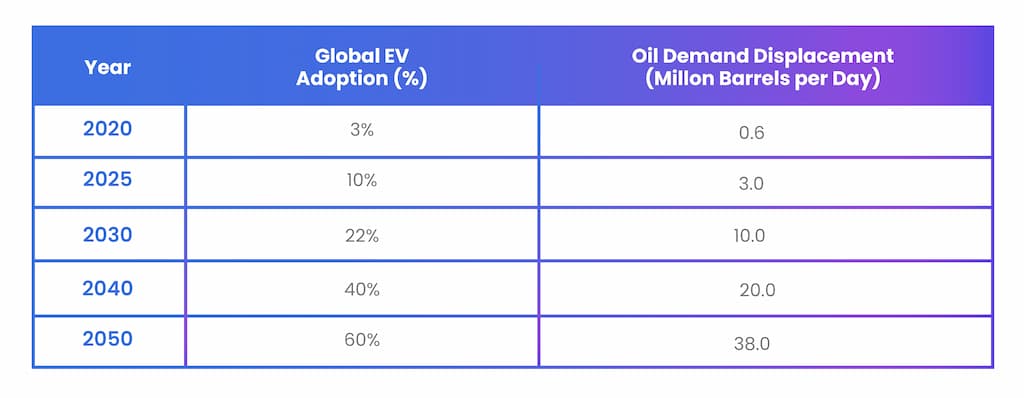
Usually after five years, petrol cars would often lose between 50-60% of their value. Modern EVs are currently on par with, and often even surpassing, petrol cars, whereas older Electric Vehicles occasionally lost value more quickly.
Why early EVs lost value quickly
- Limited driving range
- Slow charging speeds
- Unclear battery lifespan
- Low used-EV demand
These issues are rapidly disappearing in newer EV models.
Key Factors That Affect EV Resale Value
Battery health and warranty
Battery condition is the single biggest factor affecting Electric Vehicle resale value. Most EVs come with 8-10 year or 160,000 km battery warranties, which boosts buyer confidence even after 5 years.
Brand reputation and model popularity
Well-known EV brands with proven reliability usually enjoy better resale value. Popular models are easier to sell and command stronger prices.
Real-world range and charging speed
EVs with higher real-world range and fast-charging capability hold value better because they remain practical even after years of use.
Software updates and features
Electric Vehicles that receive over-the-air (OTA) software updates stay technologically relevant, improving long-term resale value.
EV Resale Value After 5 Years: Realistic Expectations
Average resale value after 5 years
On average, modern EVs retain about:
- 45–60% of original value after 5 years
Premium EVs and well-maintained models may retain even more.
Budget EVs vs premium EVs
- Budget EVs: Slightly higher depreciation but lower upfront cost
- Premium EVs: Better resale percentage, especially if brand demand stays strong
Battery Degradation and Its Impact on EV Resale Value
How much battery capacity is lost in 5 years?
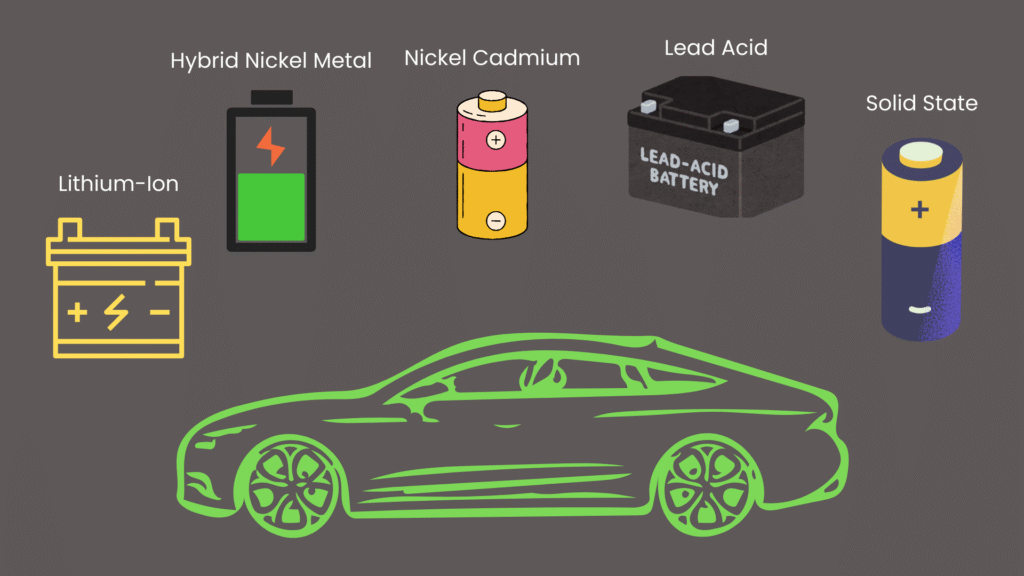
Most EV batteries lose only 8–15% capacity after 5 years with normal use. This level of degradation is usually acceptable to used-car buyers.
Does battery replacement hurt resale value?
Battery replacement is rare within the first 8 years. If done under warranty, it can actually increase resale value.
Is EV Resale Value Improving in 2025–2026?
Better battery technology
Modern batteries like LFP and advanced lithium-ion packs degrade slower and last longer.
Growing used EV market
With rising EV adoption globally, demand for used electric cars is increasing — directly improving EV resale value.
Strong policy and infrastructure support
More charging stations and EV-friendly policies are making older EVs easier to own, boosting resale confidence.
Tips to Improve Your Electric Vehicle Resale Value
Maintain battery health
- Avoid frequent 100% charging
- Don’t let battery sit at 0% for too long
- Use slow charging when possible
Keep software and service records updated
Updated software improves efficiency and features. Service records build buyer trust.
Protect warranty and documentation
Transferable battery and vehicle warranties significantly improve EV resale value.
Is Buying an EV Worth It Despite Resale Concerns?
Total cost of ownership matters more
Even if resale value is slightly lower, EV owners save heavily on:
- Fuel costs
- Maintenance
- Taxes and incentives
Who should worry most about resale value?
- Short-term owners (selling within 3–4 years)
- Fleet buyers
Long-term owners benefit the most from EV ownership.
Final Verdict
The EV resale value after 5 years is no longer a deal-breaker. Thanks to better battery technology, rising EV adoption, and improved infrastructure, electric cars are holding their value better than ever. For most buyers, EVs are now a financially smart long-term choice.
FAQS
Do EVs lose value faster than petrol cars?
Modern electric vehicles now no longer lose value faster than petrol cars. EV resale value has improved significantly due to better battery technology and rising demand.
How much resale value does an EV have after 5 years?
On an average, EV resale value after 5 years usually ranges between 45% – 60%, depending on battery health, brand, and usage.
Does battery degradation affect EV resale value?
Battery degradation has limited impact on the resale value if it stays within normal levels. Most EV batteries retain 85–90% capacity after 5 years.
Can replacing an EV battery improve resale value?
Yes, replacing an EV battery under warranty can improve resale value by increasing buyer confidence.
Is EV resale value expected to improve in the future?
Yes, EV resale value is expected to improve further due to better infrastructure, battery advancements, and global EV adoption.