Learn everything about the Electric auto subsidy in India – subsidy amount, benefits, state-wise policies, how to apply, and future EV plans.
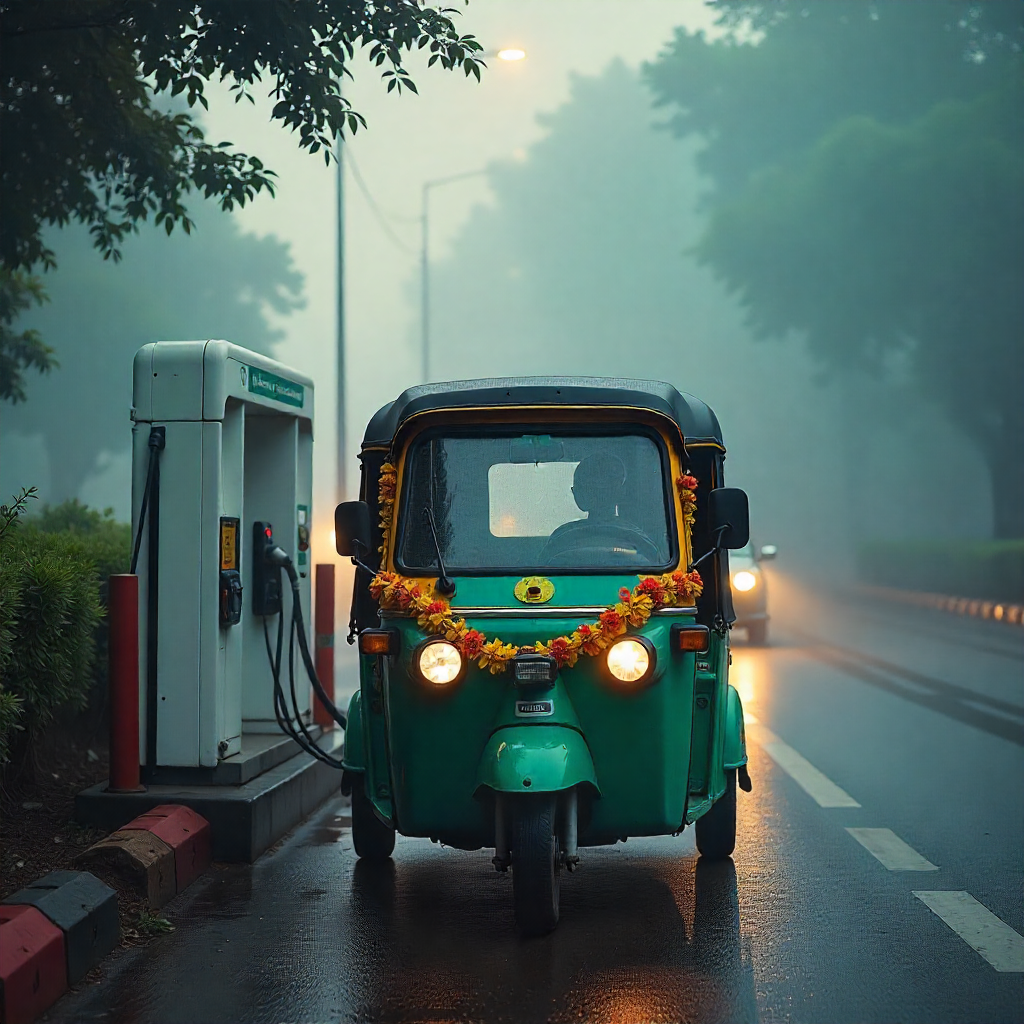
Both drivers and the car industry now have more options thanks to the growth of electric vehicles (EVs) in India. Among these, electric vehicles (e-rickshaws and e-autos) are in the forefront of reducing the cost and improving the sustainability of urban transportation. However, the high initial cost of electric vehicles in comparison to gasoline or CNG cars has been one of the biggest challenges for drivers and customers.
This is where the electric auto subsidy comes in. Introduced by the Indian government under the FAME India scheme and further supported by state-level subsidies, this policy aims to make EVs more accessible, reduce pollution, and push India closer to its 2030 clean mobility goals.
In this article, we’ll break down what the electric auto subsidy is, how it works, who benefits, and how to apply for it in 2025.
What is the Electric Auto Subsidy in India?
The electric auto subsidy is a financial incentive provided by the government to reduce the purchase cost of electric three-wheelers (autos and rickshaws). Instead of paying the full price, buyers receive a subsidy that makes EVs more affordable.
- The subsidy is part of the FAME (Faster Adoption and Manufacturing of Electric Vehicles) India scheme.
- It is given both by the central government and several state governments.
- The goal is to encourage auto drivers, fleet operators, and individuals to switch from petrol/diesel/CNG autos to electric autos.
Example: If an electric auto costs ₹2.5 lakhs, after applying the central + state subsidy, the buyer might only pay around ₹1.8–2 lakhs, making EVs a cheaper alternative.
Current Electric Auto Subsidy in India (2025 Updates)
As of 2025, the electric auto subsidy in India is governed mainly by FAME-II, along with additional state EV policies.
- FAME-II Subsidy: Offers incentives of up to ₹10,000 per kWh of battery capacity, with a maximum limit of around ₹50,000 per electric auto.
- State Subsidies: Many states provide additional subsidies ranging from ₹30,000 – ₹1,00,000, depending on the vehicle type and battery size.
State-wise Highlights (2025)
- Delhi: Provides up to ₹30,000 subsidy on electric autos, along with road tax and registration fee exemption.
- Maharashtra: Offers incentives up to ₹82,000 on electric autos.
- Tamil Nadu: Provides subsidies and tax exemptions for EV autos under its EV policy.
- Karnataka & Telangana: Focus on lowering road tax and permit costs for electric autos.
With both central and state subsidies combined, electric auto buyers can save between ₹60,000 to ₹1.2 lakh in 2025.
Benefits of Electric Auto Subsidy for Drivers and Owners
- Lower Purchase Cost
- Reduces the initial financial burden for buyers.
- Makes EVs competitive with petrol and CNG autos.
- Lower Running Cost
- Electricity is cheaper than petrol or CNG.
- On average, electric autos cost 70-80% less per km to run.
- More Earnings for Drivers
- Auto drivers save on fuel and maintenance costs.
- Daily savings can be as high as ₹300–400, leading to better monthly income.
- Eco-Friendly Transport
- Reduces urban air pollution.
- Contributes to cleaner, quieter, and greener cities.
- Government Support
- Additional incentives such as free permits, tax waivers, and priority in loans.
Overall, the electric auto subsidy in India is not just helping the environment but also improving the lives of thousands of auto drivers.
How to Apply for Electric Auto Subsidy in India
Applying for an electric auto subsidy is a straightforward process if you buy from an authorized EV dealer.
Step-by-Step Guide
- Choose an Eligible Vehicle
- Select an electric auto listed under the FAME-II approved vehicles.
- Purchase from an Authorized Dealer
- The subsidy is automatically deducted from the ex-showroom price.
- Submit Required Documents
- Aadhaar Card
- Driving License
- Vehicle Registration Certificate (RC)
- Invoice of purchase
- Dealer Applies for Subsidy
- The dealer handles the process with government portals.
- The subsidy amount is reimbursed directly, so the buyer pays a reduced cost.
In states like Delhi and Maharashtra, applications can also be tracked online through the official EV policy portals.
Challenges and Limitations of Electric Auto Subsidy
While the subsidy program is effective, there are still hurdles:
- Limited Awareness: Many drivers are still unaware of subsidy benefits.
- Charging Infrastructure: Lack of fast-charging stations in Tier-2 and Tier-3 cities.
- Delayed Payments: Sometimes subsidies take time to be reimbursed to dealers.
- High Initial Price Without Subsidy: Without subsidies, EVs still cost more than CNG autos.
Future of Electric Auto Subsidy in India
The future looks promising as the government plans to further strengthen EV adoption.
- FAME-III Expected: Likely to bring higher subsidies and more EV models under coverage.
- State EV Policies 2025–2030: States are competing to provide the best incentives.
- EV Financing: Banks and NBFCs are offering loans with lower interest rates for EVs.
- Target 2030: The government aims for 80% of three-wheelers in India to be electric by 2030.
This means that electric auto subsidies will remain a strong motivator for the next decade.
Conclusion
The electric auto subsidy in India is playing a vital role in making EVs accessible and affordable. From reducing upfront costs to lowering daily expenses, subsidies are helping auto drivers transition smoothly to eco-friendly electric mobility.
As of 2025, with FAME-II and supportive state policies, auto drivers can save lakhs in costs and enjoy higher earnings. Looking ahead, the expansion of subsidies under FAME-III and the growth of charging infrastructure will make electric autos the backbone of India’s sustainable urban transport system.
If you are considering buying an auto in 2025, electric is the way to go – thanks to government subsidies and the long-term savings they bring.
FAQs – Electric Auto Subsidy in India
What is the electric auto subsidy in India?
In order to encourage electric mobility, the Indian government offers a financial incentive known as the electric auto subsidy through the FAME II (Faster Adoption and Manufacturing of Hybrid and Electric Vehicles) program. In order to lower upfront costs and promote adoption, it provides subsidies for electric cars, buses, two-wheelers, and cars.
How much subsidy is available for electric autos under FAME II?
Electric vehicles are eligible for subsidies under the FAME II program of up to ₹10,000 for every kWh of battery capacity, with a maximum of ₹50,000 to ₹60,000 based on the model and battery size. The precise advantage varies according to state laws and vehicle details.
In which Indian states do electric vehicles receive additional subsidies?
A number of Indian states, including Telangana, Gujarat, Tamil Nadu, Delhi, and Maharashtra, offer additional state-level incentives for electric vehicles. Delhi, for instance, provides e-autos with up to ₹30,000 in incentives, including exemptions from road tax and registration fees.
How can I apply for an electric auto subsidy in India?
You can apply for an electric vehicle subsidy through authorized EV dealers or the Department of Heavy Industries’ (DHI) official website. The amount of the subsidy is often subtracted straight from the cost of the vehicle after you buy a FAME-II certified electric vehicle.
What are the eligibility criteria for electric auto subsidies?
The car must be built or constructed in India, use cutting-edge battery technology (such lithium-ion), and be authorized under the FAME II program in order to qualify for the electric vehicle subsidy in India. Additionally, buyers ought to make sure they are buying the car from an authorized dealer.
Do other electric vehicles, besides cars, qualify for subsidies?
Yes, electric automobiles, buses, two-wheelers, and commercial vehicles are also eligible for incentives under the FAME II program. The vehicle categorization and battery capacity determine how much of a subsidy is given. Other incentives like tax breaks and assistance with charging infrastructure are also provided by many jurisdictions.
What is the duration of the FAME II subsidy program?
The Indian government has extended the FAME II program to March 2026. However, the timelines for each state subsidy scheme may vary, so it’s best to visit the official FAME India website or the state EV policy portals for the most recent information.