EV Battery
what you should know about EV Battery
Thinking of buying an electric vehicle but have questions about the battery? You’re not alone.
The EV battery is the heart of any electric car, and understanding how it works is crucial in making a confident purchase.
What is an EV battery
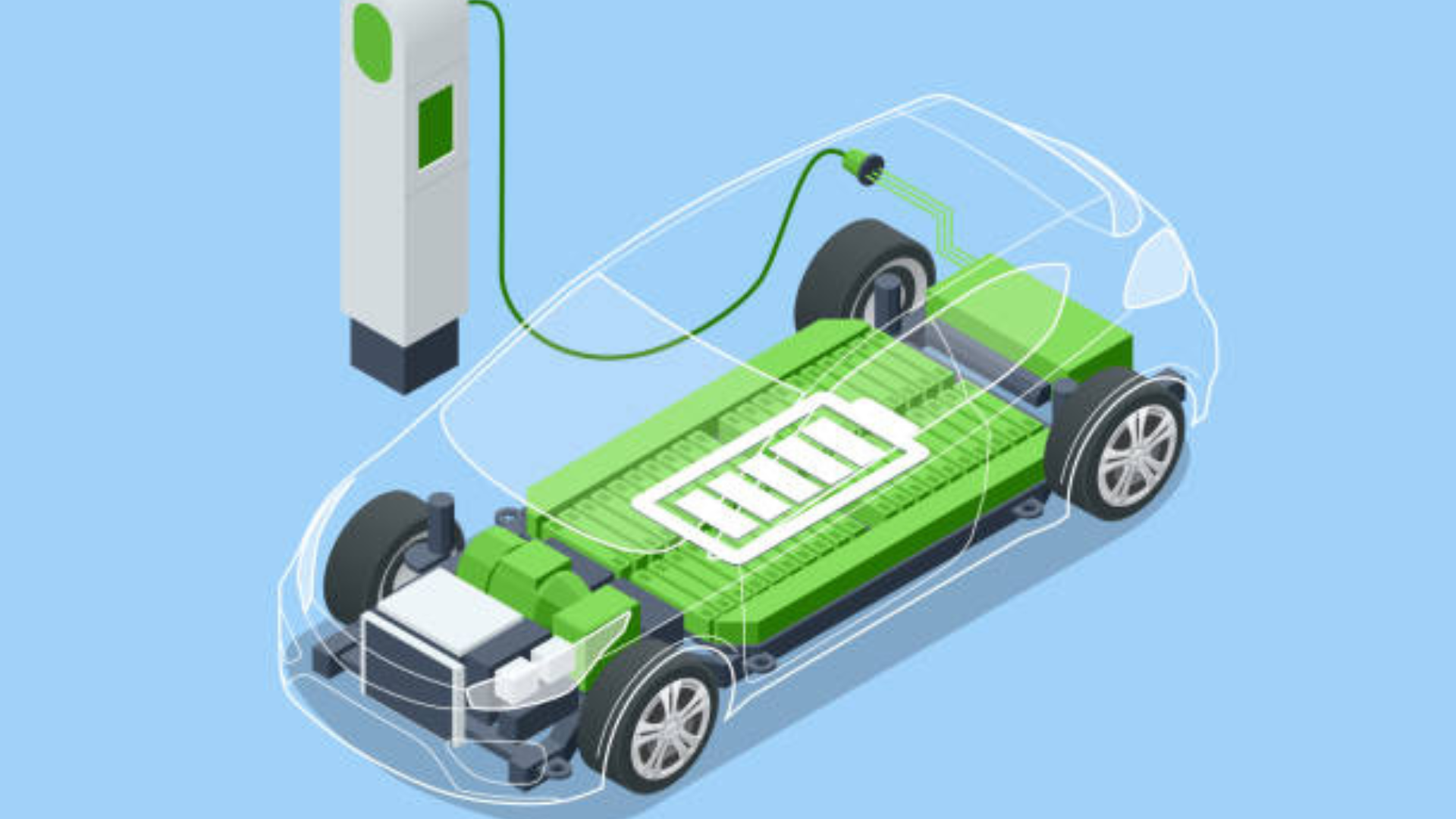
EV batteries are rechargeable energy storage devices that supply electricity to a car’s electric motor. EVs rely on batteries to effectively store and deliver electricity, in contrast with regular automobiles that run on fuel.
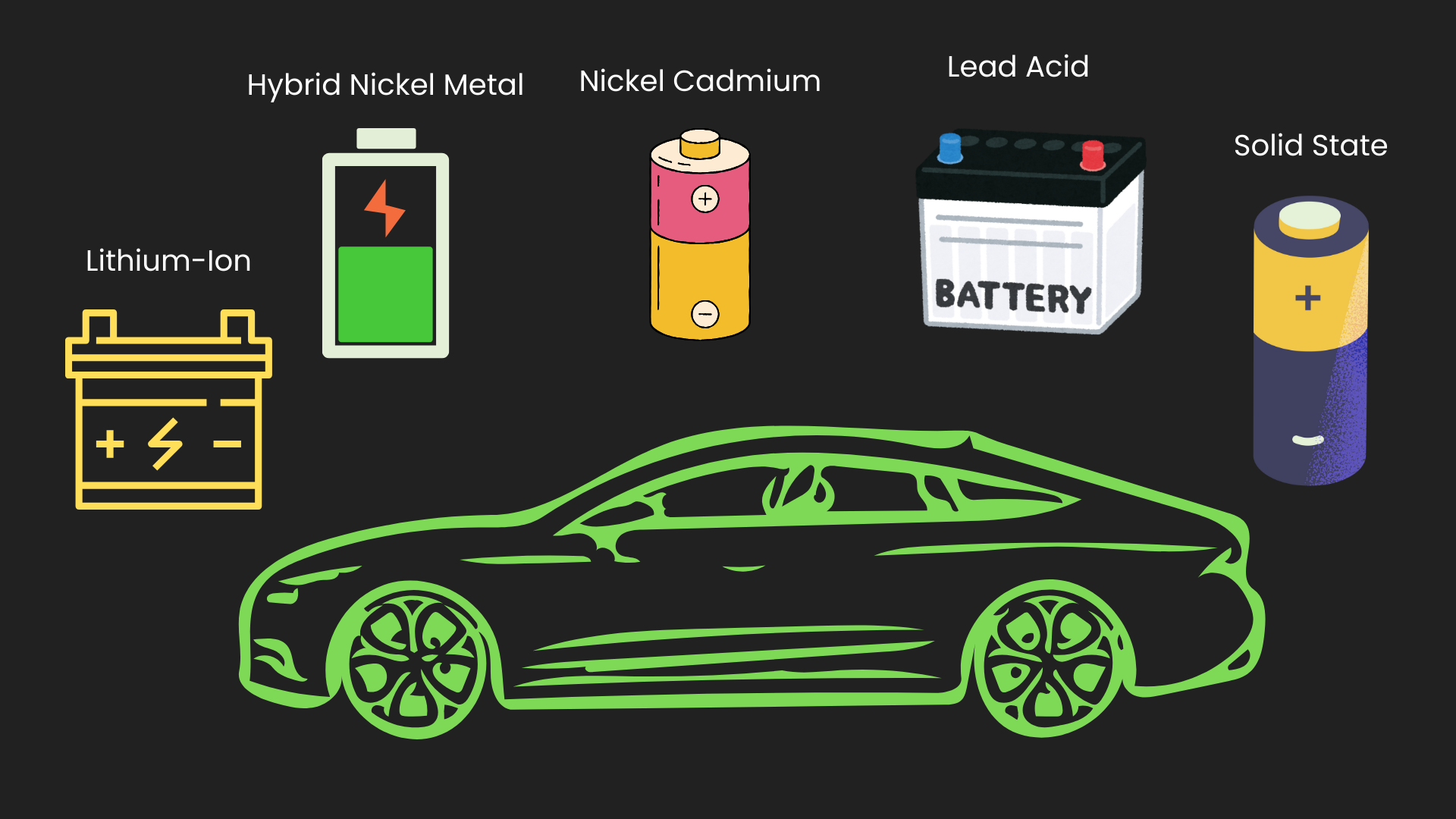
Types of EV Batteries
Lithium-Ion Batteries (Li-ion)
Most widely used in EVs like Tesla, Tata Nexon EV, and Hyundai Kona.
High energy density, longer lifespan, and faster charging.
Drawback: Expensive, risk of overheating.
Solid-State Batteries (Future Tech)
Uses solid electrolytes instead of liquid.
Promises higher energy density, faster charging, and improved safety.
Expected to dominate EVs by 2030.
Nickel-Metal Hydride Batteries (NiMH)
Common in hybrid vehicles like Toyota Prius.
Good durability but lower efficiency compared to lithium-ion.
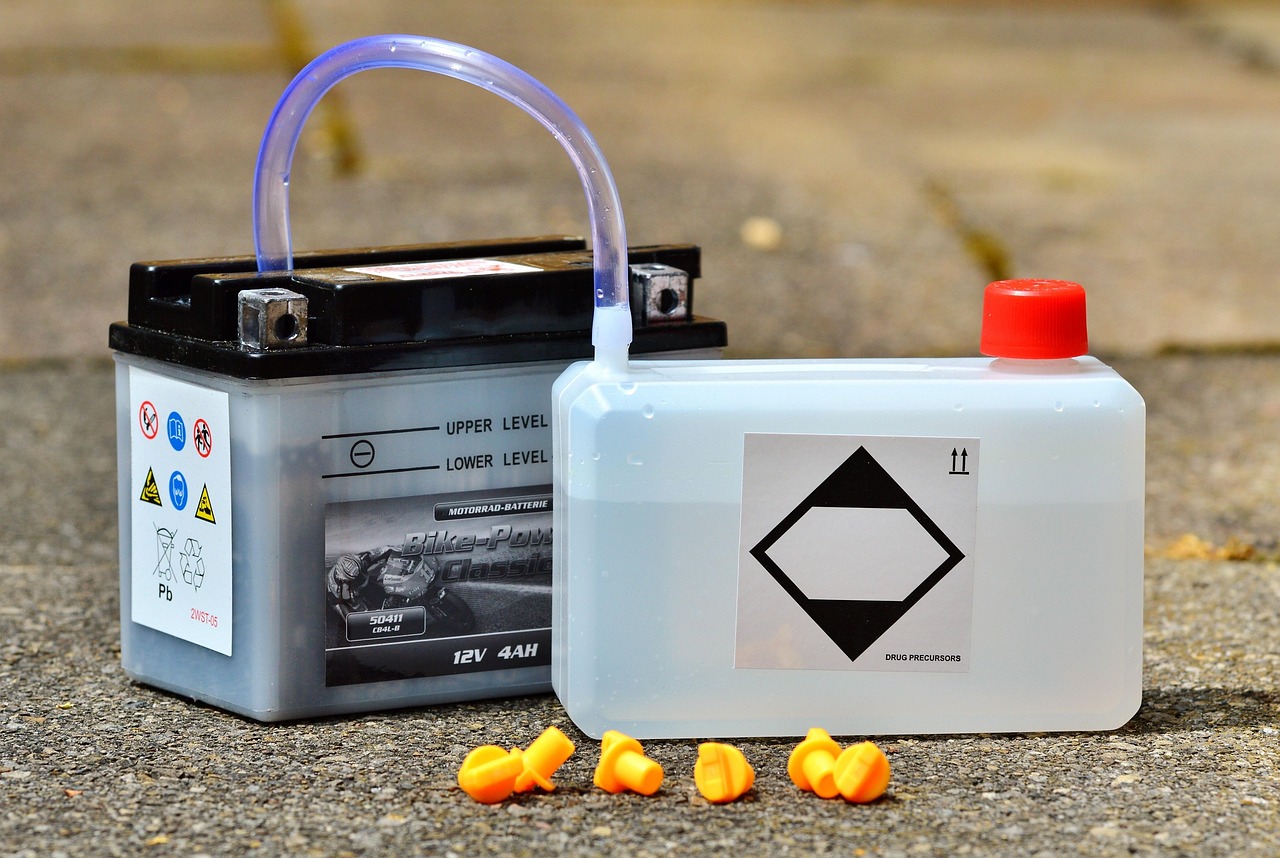
Lead-Acid Batteries
Traditional, low-cost option.
Used in older EVs and e-rickshaws.
Heavy, less efficient, and short lifespan.