Discover the real cost of running an electric car in India. Learn about charging expenses, maintenance costs, battery life, and EV savings compared to petrol and diesel cars.
Electric vehicles, or EVs, are becoming commonplace on Indian roadways and are no longer just sci-fi ideas. One query that continues coming up as new models like the Mahindra XUV400, MG ZS EV, and Tata Nexon EV become more widely available is, “What is the minimum cost of running an electric car in India?“
Understanding the cost of running an electric car helps potential buyers compare it fairly with petrol or diesel vehicles.Although electric vehicles (EVs) may cost more up front, they are unexpectedly cost-effective over time due to their significantly lower operating and maintenance expenses.
This article covers all of the factors that influence the price of owning and driving an EV in India, including electricity costs, battery life, and even actual cost per kilometer examples.
1. Upfront Cost vs. Running Cost
The first thing most buyers notice is that electric cars are often ₹2–₹4 lakh more expensive than their petrol or diesel counterparts. However, this is only half the story.
Where EVs shine is in running costs — the amount you spend every month on “fuel” (electricity) and servicing.
| Vehicle Type | Average Monthly Running Cost (₹) | 5-Year Total (₹) |
|---|---|---|
| Petrol Car | ₹10,000–₹12,000 | ₹6–7 lakh |
| Electric Car | ₹2,000–₹3,000 | ₹1.5 lakh approx. |
That’s a possible five-year savings of ₹4–₹5 lakh, without including tax breaks and government incentives.
2. Electricity Cost: The Heart of the Running Expense
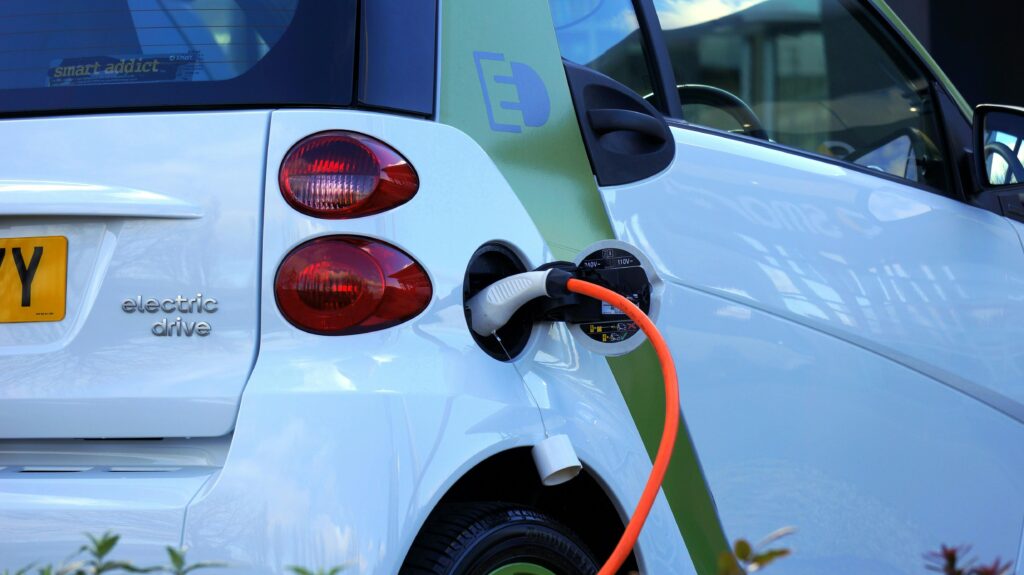
For EVs, charging is the primary recurring expense. “The good news?” In India, electricity costs a lot less than gasoline or diesel.
Typical Charging Costs:
- Domestic electricity tariff: ₹6–₹10 per kWh
- A 40 kWh battery costs around ₹300–₹400 for a full charge
- Range per charge: 300–400 km
- Cost per km ≈ ₹1.0–₹1.5, compared to ₹7–₹10 per km for petrol cars
Public Fast Chargers
If you use public DC fast chargers, the cost rises to around ₹18–₹25 per kWh, which translates to ₹2.5–₹3.5 per km. Even then, it’s still significantly cheaper than petrol.
| Charging Type | Cost per kWh (₹) | Full Charge Cost (40 kWh) | Cost per km (Avg.) |
|---|---|---|---|
| Home Charging | ₹6–₹8 | ₹240–₹320 | ₹1.0–₹1.3 |
| Public Fast Charger | ₹18–₹25 | ₹720–₹1,000 | ₹2.5–₹3.5 |
| Petrol Vehicle | ₹100/litre | ₹1,000 (10 L) | ₹8–₹10 |
Some states provide EV owners with reduced night-time charges, thus charging overnight at home during off-peak hours can result in even greater savings.
3. Maintenance Cost of Electric Cars
Compared to conventional cars, electric cars require less maintenance. There are no exhaust systems, spark plugs, or oil changes to be concerned about. There are fewer moving parts, which reduces the possibility of problems.
Typical maintenance items include:
- Cabin air filter replacement
- Brake fluid checks
- Tyre rotation
- Battery and software diagnostics
Average annual maintenance costs:
| Vehicle | Average Annual Maintenance (₹) |
|---|---|
| Tata Nexon EV | ₹3,000–₹4,000 |
| MG ZS EV | ₹4,000–₹5,000 |
| Hyundai Kona | ₹4,000–₹6,000 |
| Petrol SUV (comparison) | ₹10,000–₹15,000 |
That adds up to significant long-term savings, as it is roughly 40–60% less expensive than traditional cars.
4. Battery Replacement Cost (Long-Term Factor)
The most costly component of an electric car and the one that most people are concerned about is the battery pack. Modern EV batteries, however, are made to last.
The majority of Indian EVs are covered by 8-year or 160,000-kilometer warranties that cover 70–80% of the vehicle’s capacity.
Typical replacement costs (if ever needed after warranty):
- Small hatchbacks (Tata Tiago EV): ₹3–₹4 lakh
- Mid-size SUVs (Nexon EV, XUV400): ₹4–₹6 lakh
- Premium EVs (MG ZS EV, Kona EV): ₹6–₹8 lakh
It is anticipated that future costs will decrease considerably by the time a replacement is really required, though, given the rate at which battery technology is developing and government recycling initiatives.
5. Home vs Public Charging – Which Is More Practical?
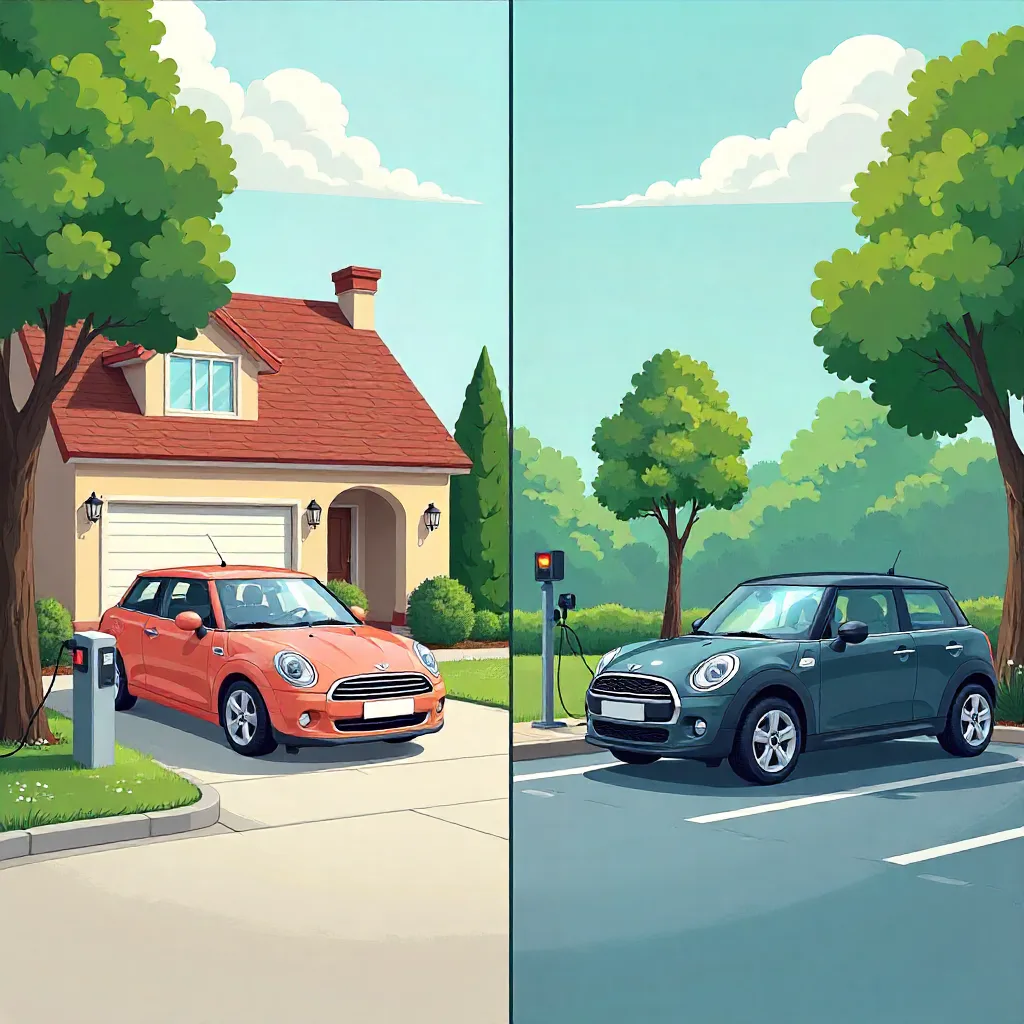
Home charging is still the most practical and economical choice, even though public charging infrastructure is expanding.
Home Charging Pros:
- Lowest cost per unit
- Charge overnight while you sleep
- Easy to track expenses
Public Charging Pros:
- Quick top-ups on long trips
- Widespread network in metro cities
- Helpful in apartments without private parking
For most users, a combination of home and occasionally public charging is ideal.
6.Some Real-World Example: Cost of Running Popular EVs
| Model | Battery (kWh) | Range (km) | Full Charge Cost (₹) | Cost per km (₹) |
|---|---|---|---|---|
| Tata Nexon EV | 40.5 | 465 | 300 | 0.65 |
| MG ZS EV | 50.3 | 461 | 400 | 0.86 |
| Hyundai Kona | 39.2 | 452 | 280 | 0.62 |
| Mahindra XUV400 | 39.4 | 456 | 290 | 0.64 |
Since the cost per kilometer is typically less than ₹1, even with growing electricity costs, EVs are a very cost-effective option for daily travel.
7. Additional Savings: Subsidies and Tax Benefits
The Indian government actively encourages the use of EVs by providing state-level subsidies and incentives like FAME II.
Central Benefits:
- FAME II subsidy up to ₹1.5 lakh on eligible vehicles
- Income-tax deduction under Section 80EEB up to ₹1.5 lakh on EV loans
State-Specific Benefits (examples):
- Delhi: Up to ₹1 lakh subsidy + zero road tax
- Maharashtra: ₹1.5 lakh subsidy + registration fee waiver
- Gujarat: ₹1.5 lakh subsidy on top of FAME II
An EV’s lifetime ownership cost is unbeatable when you include reduced road tax, lower registration fees, and no fuel expenditures.
8. Environmental & Practical Benefits
The cost of running an electric car isn’t just measured in rupees — it’s also about reducing your carbon footprint.
Every electric vehicle on the road reduces urban noise pollution and CO2 emissions. Additionally, India’s expanding solar and wind energy capability guarantees cleaner electricity for your car every year.
Additional useful benefits:
- Smoother driving and instant torque
- Silent operation
- Reduced service center visits
- Resale value in the future as EV usage rises
9.Total Cost Comparison: EV vs Petrol Car (In 5 Years)
| Parameter | Petrol Car | Electric Car |
|---|---|---|
| Average Fuel/Charging Cost per km | ₹8–₹10 | ₹1–₹1.5 |
| Annual Maintenance | ₹12,000 | ₹4,000 |
| 5-Year Fuel/Charging Cost | ₹6 lakh | ₹1 lakh |
| 5-Year Maintenance | ₹60,000 | ₹20,000 |
| Total (5 Years) | ₹6.6 lakh | ₹1.2 lakh |
Even with a greater initial cost, an EV can save between ₹4 and ₹5 lakh in five years of total ownership expenses, and more if energy prices stay the same.
10. Conclusion: The True Cost of Running an Electric Car
When you look at the numbers, the cost of running an electric car is far less than the price of a car that runs on petrol or diesel.
- Charging cost: ₹1 per km (home charging)
- Maintenance: 50–60% cheaper
- Long-term savings: ₹4–₹5 lakh over 5 years
- Eco-friendly: Zero tailpipe emissions
In India, owning an EV is turning into a wise financial decision in addition to becoming an environmentally friendly one as battery costs go down and the charging network expands.
“The real cost of running an electric car proves one thing — Clean, quiet, and economical driving is the way of the future in India.”
FAQ- Cost of running an Electric Car
What is the cost of running an electric car in India?
When charged at home, the cost of running an electric car in India ranges from ₹1 to ₹1.5 per kilometer. A full charge typically costs between ₹250 and ₹400, and depending on the type and electricity pricing, it can cover 300 to 400 kilometers.
Is it cheaper to run an electric car than a petrol car?
Yes, compared to a petrol car, operating an electric car can save up to 80% of the cost. An electric car costs roughly ₹1 per kilometer, saving almost ₹4–₹5 lakh over five years, compared to ₹8–₹10 per kilometer for petrol.
What is the average maintenance cost of an electric car in India?
Electric cars have very low maintenance costs — usually ₹3,000–₹5,000 per year — because they don’t require exhaust maintenance, spark plug replacement, or oil changes. Compared to a car that runs on petrol or diesel, this is over 50–60% less.
How long does an EV battery last?
The majority of electric car batteries degrade significantly after 8–10 years or 1.5 lakh kilometers. Manufacturers typically offer warranties for up to 160,000 kilometers or 8 years, ensuring dependability and long-term savings.
What subsidies are available for electric cars in India?
You can receive up to ₹1.5 lakh in subsidies for registered EVs under FAME II. Additionally, under Section 80EEB, you can deduct up to ₹1.5 lakh from your income taxes for EV loans. Additional state-level incentives are provided by other states, including Gujarat, Maharashtra, and Delhi.
What is the total 5-year running cost comparison between electric and petrol cars?
A petrol car usually costs between ₹6 and ₹6.5 lakh over five years, whereas an electric car costs between ₹1.2 and ₹1.5 lakh. As a result, EVs are 70–80% more cost-effective over time.