
Discover the leading EV battery companies in India powering the electric revolution. Explore top manufacturers, startups, challenges, and future trends in India’s EV battery market.
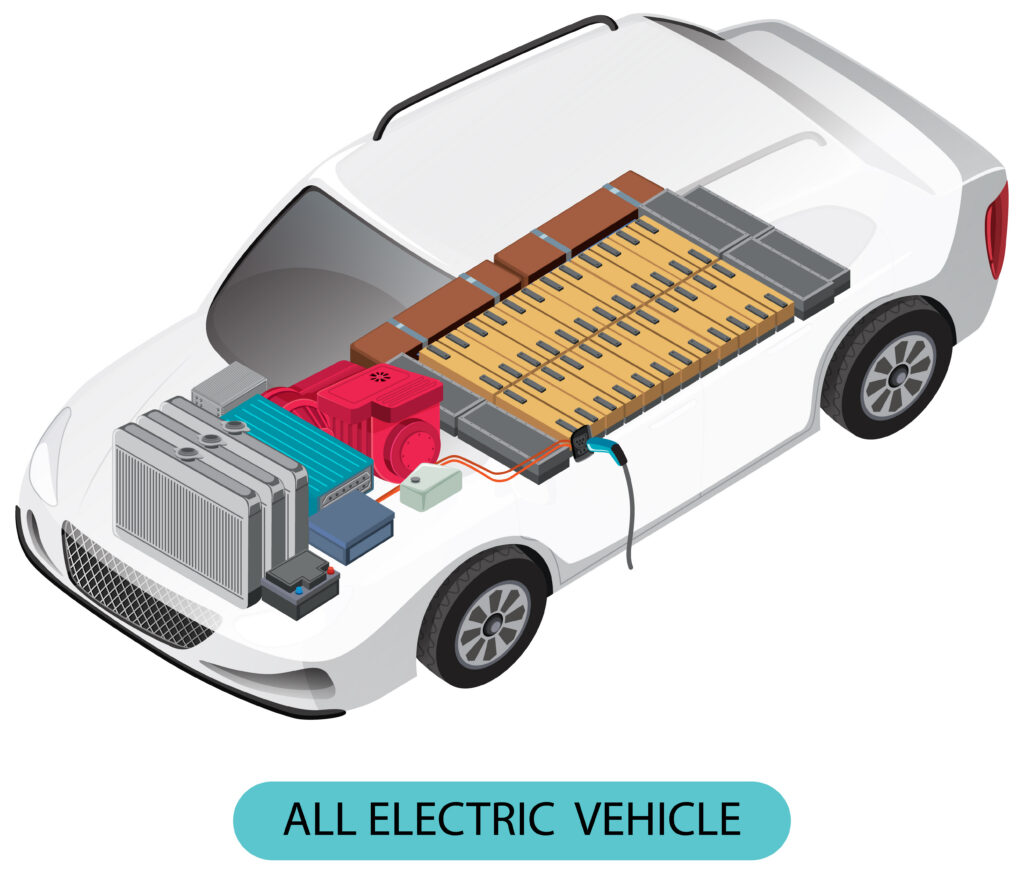
Electric cars (EVs) are becoming a reality on Indian roads, not just a sci-fi fantasy. A significant movement towards EV adoption is occurring in India as a result of rising fuel prices and global pressure for greener options. At the heart of this transformation are EV battery companies, the unsung heroes powering everything from electric cars and two-wheelers to buses and charging networks.
In this blog, we’ll explore the top EV battery companies in India, their contributions to the nation’s electric revolution, their difficulties, and their prospects.
Table of Contents
Why EV Batteries Are the Backbone of the EV Ecosystem
EV batteries are the most critical and expensive component of an electric vehicle. They determine:
- Range: How far the vehicle can travel on a single charge.
- Performance: Speed, efficiency, and reliability of EVs.
- Cost: Batteries make up 35–40% of the EV’s total cost.
- Sustainability: Recycling, safety, and raw material sourcing affect the EV ecosystem.
Without robust battery technology and reliable EV battery companies, the dream of affordable and widespread EV adoption would not be possible.
Market Overview of EV Batteries in India
The Indian EV battery market is growing at an extra ordinary pace:
- Valued at $16 billion in 2024, it is expected to grow to $25 billion by 2030.
- The government’s FAME II scheme and PLI (Production-Linked Incentive) scheme are boosting local manufacturing.
- Demand is largely driven by two-wheelers and three-wheelers, followed by cars and buses.
- Lithium-ion remains the dominant technology, but research on solid-state and sodium-ion batteries is ongoing.
This growth has opened huge opportunities for both established players and startups in the EV battery companies segment.
Top EV Battery Companies in India
1. Exide Industries
One of India’s oldest battery manufacturers, Exide is rapidly transitioning from lead-acid to lithium-ion technology. With partnerships in place, the company is building advanced battery manufacturing plants to cater to EVs.
2. Amara Raja Batteries

Well known for its automotive batteries, Amara Raja is now heavily investing in giga factories for EV lithium-ion cells. Their focus is on indigenous manufacturing, reducing India’s dependency on imports.
3. Tata Chemicals
Part of the Tata Group, Tata Chemicals is setting up large-scale lithium-ion battery manufacturing facilities. Their focus is on R&D and sustainable battery solutions.
4. Ola Electric
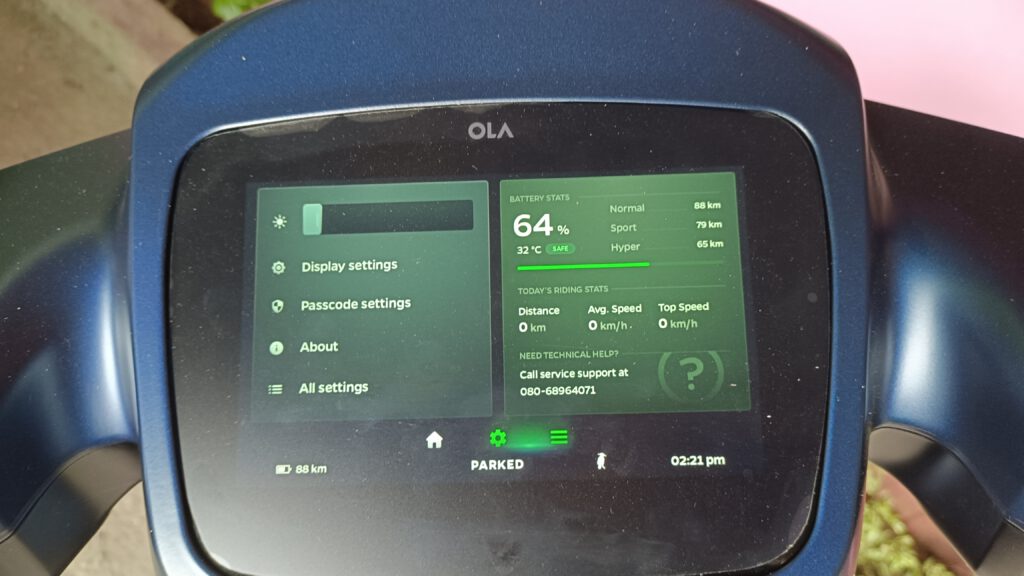
Ola is not just a scooter manufacturer but is also building one of the world’s largest EV battery mega factories in India. This vertical integration will help reduce costs and improve supply chain reliability.
5. Okaya Power Group
Okaya has gained popularity in EV charging and batteries, especially for electric two-wheelers and rickshaws. They offer a wide portfolio, including lithium-ion and lead-acid solutions.
6. HBL Power Systems
With expertise in defense and specialized batteries, HBL Power Systems is entering into EV batteries to bring high-performance packs for commercial vehicles and niche applications.
7. International Collaborations
Companies like Panasonic, LG Chem, and BYD are working with Indian partners to bring advanced battery technologies and support India’s EV ecosystem.
Emerging Startups in EV Battery Manufacturing
While big names dominate, several startups are innovating in the EV battery space:
- Log9 Materials – Pioneering fast-charging graphene batteries.
- EVe Energy – Focused on localized lithium-ion cell manufacturing.
- Sun Mobility – Known for battery swapping solutions.
- Ion Energy – Expertise in battery management systems (BMS).
These startups are positioning themselves as future leaders among EV battery companies in India.
Challenges Faced by EV Battery Companies
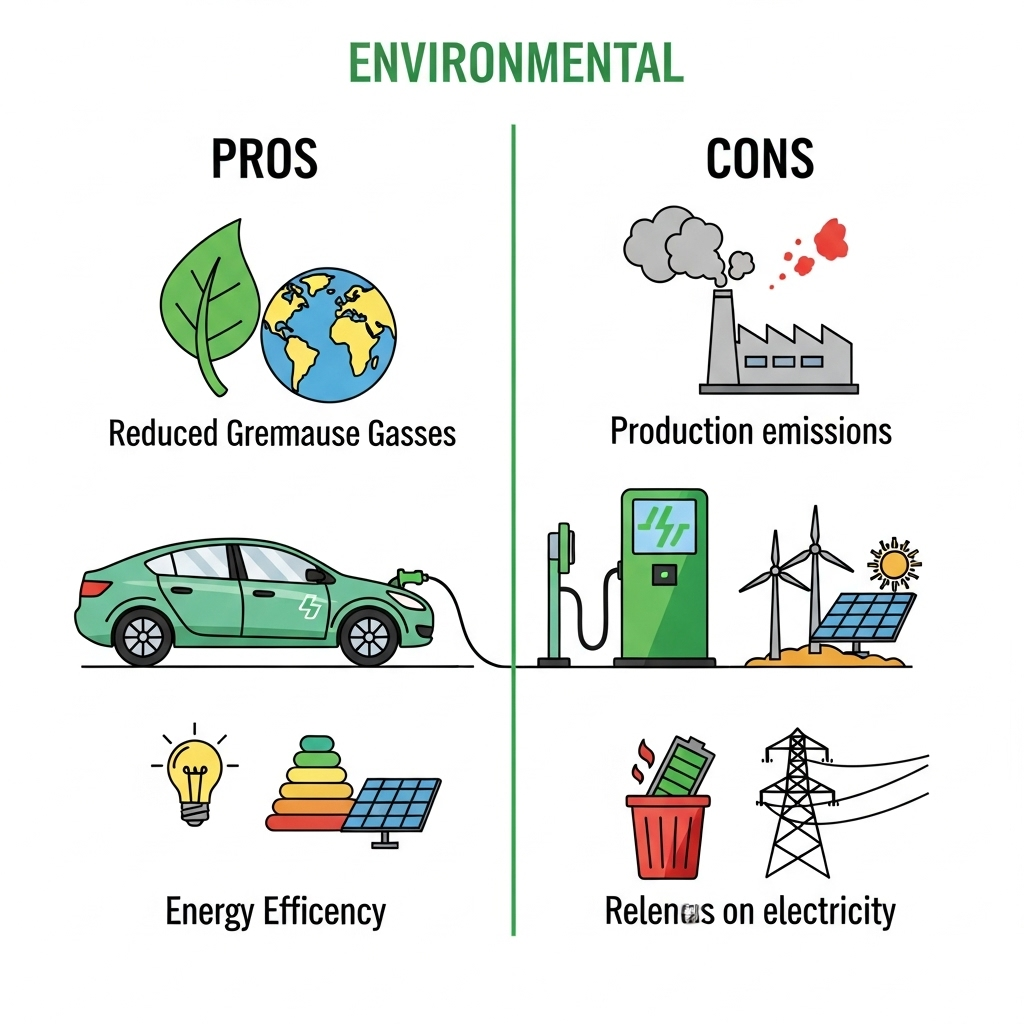
Despite the encouraging trend, EV battery manufacturers face numerous obstacles.
- Raw Material Dependency – Lithium, cobalt, and nickel are mostly imported, leading to supply chain risks.
- High Costs – Battery packs remain expensive, making EVs less affordable compared to ICE vehicles.
- Safety Concerns – Incidents of EV battery fires highlight the need for advanced thermal management.
- Recycling & Waste Management – India still lacks large-scale battery recycling infrastructure.
- Technology Gaps – Catching up with global leaders in next-gen batteries (like solid-state) is a challenge.
Future of EV Battery Companies in India
The road ahead for EV battery companies is exciting and challenging:
- Solid-State Batteries: Safer, faster charging, and longer life – a game-changer in the next decade.
- Battery Swapping: Faster adoption for two-wheelers and commercial vehicles.
- Recycling Ecosystem: Creating a circular economy to reuse critical minerals.
- Government Push: Policies like PLI and state incentives are making India a global hub for battery production.
- Indigenous Manufacturing: Reducing reliance on imports and boosting Make-in-India initiatives.
Conclusion
India’s EV journey is just getting started, and EV battery companies are the backbone of this revolution. The future of sustainable transportation is being shaped by these businesses, which range from well-known giants like Exide and Amara Raja to trailblazers like Log9 and Ola Electric.
As demand grows, competition will intensify, but this also means rapid innovation, better performance, and lower costs for EV users. For investors, entrepreneurs, and consumers, keeping an eye on EV battery companies in India is essential for understanding where the electric mobility wave is headed.
FAQ – EV battery companies in India
Which are the top EV battery companies in India?
Some of the top EV battery companies in India include Exide Industries, Amara Raja Batteries, Tata Chemicals, Ola Electric, Okaya Power Group, and HBL Power Systems. Startups like Log9 Materials and EVe Energy are also emerging as key players.
What is the cost of an EV battery in India?
The cost of an EV battery in India depends on capacity and vehicle type. For electric two-wheelers, batteries cost between ₹30,000–₹80,000, while car batteries can range from ₹1.5 lakh to ₹5 lakh. Prices are expected to drop as local manufacturing increases.
Which startups are innovating in EV battery manufacturing in India?
Indian startups innovating in EV batteries include Log9 Materials (fast-charging graphene batteries), Sun Mobility (battery swapping), Ion Energy (battery management systems), and EVe Energy (lithium-ion cell manufacturing).
What challenges do EV battery companies face in India?
EV battery companies in India face challenges such as high raw material dependency on imports, high production costs, lack of large-scale recycling infrastructure, safety issues like battery fires, and the need for indigenous technology development.
What is the future of EV battery technology in India?
The future of EV batteries in India includes advancements in solid-state batteries, wider adoption of battery swapping models, improved recycling systems, government incentives under PLI and FAME II schemes, and a push towards large-scale indigenous manufacturing.